73,95 €
inkl. MwSt.
Sofort per Download lieferbar
37 °P sammeln

Andere Kunden interessierten sich auch für
") Narrating Trauma (eBook, PDF)61,95 €
Narrating Trauma (eBook, PDF)61,95 €") Class, Trauma, Identity (eBook, PDF)39,95 €
Class, Trauma, Identity (eBook, PDF)39,95 €") Radiating Feminism (eBook, PDF)37,95 €
Radiating Feminism (eBook, PDF)37,95 €") Trauma Transmission and Sexual Violence (eBook, PDF)41,95 €
Trauma Transmission and Sexual Violence (eBook, PDF)41,95 €") Creating Sanctuary (eBook, PDF)55,95 €
Creating Sanctuary (eBook, PDF)55,95 €") Routledge International Handbook of Working-Class Studies (eBook, PDF)48,95 €
Routledge International Handbook of Working-Class Studies (eBook, PDF)48,95 €") Intergenerational Trauma in Refugee Communities (eBook, PDF)45,95 €
Intergenerational Trauma in Refugee Communities (eBook, PDF)45,95 €







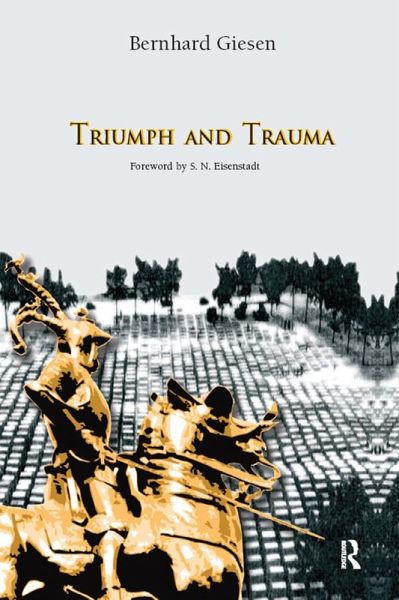
This book deals with triumphant and tragic heroes, with victims and perpetrators as archetypes of the Western imagination. A major recent change in Western societies is that memories of triumphant heroism-for example, the revolutionary uprising of the people-are increasingly replaced by the public remembrance of collective trauma of genocide, slavery and expulsion. The first part of the book deals with the heroes and victims and explores the social construction of charisma and its inevitable decay. Part 2 focuses on a paradigm case of the collective trauma of perpetrators: German national identity between 1945 and 2000. After a time of latency, the legacy of nationalistic trauma was addressed in a public conflict between generations. The conflict took center stage in vivid public debates and became a core element of Germany's official political culture. Today public confessions of the guilt of the past have spread beyond the German case. They are part of a new post-utopian pattern of collective identity in a globalised setting.
Dieser Download kann aus rechtlichen Gründen nur mit Rechnungsadresse in A, B, BG, CY, CZ, D, DK, EW, E, FIN, F, GR, HR, H, IRL, I, LT, L, LR, M, NL, PL, P, R, S, SLO, SK ausgeliefert werden.