Sie sind bereits eingeloggt. Klicken Sie auf 2. tolino select Abo, um fortzufahren.
Bitte loggen Sie sich zunächst in Ihr Kundenkonto ein oder registrieren Sie sich bei bücher.de, um das eBook-Abo tolino select nutzen zu können.
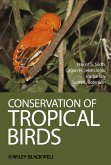
This introductory textbook examines diminishing terrestrial and aquatic habitats in the tropics, covering a broad range of topics including the fate of the coral reefs; the impact of agriculture, urbanization, and logging on habitat depletion; and the effects of fire on plants and animal survival. | Includes case studies and interviews with prominent conservation scientists to help situate key concepts in a real world context | Covers a broad range of topics including: the fate of the coral reefs; the impact of agriculture, urbanization, and logging on habitat depletion; and the effects…mehr
This introductory textbook examines diminishing terrestrial and aquatic habitats in the tropics, covering a broad range of topics including the fate of the coral reefs; the impact of agriculture, urbanization, and logging on habitat depletion; and the effects of fire on plants and animal survival.
Includes case studies and interviews with prominent conservation scientists to help situate key concepts in a real world context
Covers a broad range of topics including: the fate of the coral reefs; the impact of agriculture, urbanization, and logging on habitat depletion; and the effects of fire on plants and animal survival
Highlights conservation successes in the region, and emphasizes the need to integrate social issues, such as human hunger, into a tangible conservation plan
Documents the current state of the field as it looks for ways to predict future outcomes and lessen human impact
"Sodhi et al. have done a masterful job of compiling a great deal of literature from around the tropical realm, and they have laid out the book in a fruitful and straightforward manner...I plan to use it as a reference and as supplemental reading for several courses and I would encourage others to do the same."Ecology, 90(4), 2009, pp. 1144-1145
Dieser Download kann aus rechtlichen Gründen nur mit Rechnungsadresse in D ausgeliefert werden.
Die Herstellerinformationen sind derzeit nicht verfügbar.
Autorenporträt
Navjot S. Sodhi is Professor at the National University of Singapore. An associate/subject editor of Conservation Biology, the Auk, and Biotropica, Navjot received his PhD from the University of Saskatchewan, Canada. A recipient of National Geographic Society grants, he has also spent time as a Bullard Fellow at Harvard University, where he holds an adjunct associate position.
Barry W. Brook is Professor and Director of the Research Institute for Climate Change and Sustainability at the University of Adelaide, Australia. His research interests include climate change, global ecology and extinction dynamics. Barry serves on the editorial boards of Ecological Research and Raffles Bulletin of Zoology and is a member of the Australian Research Council College of Experts and F1000 Biology. In 2006 he was awarded the Fenner Medal by the Australian Academy of Sciences.
Corey J. A. Bradshaw is Associate Professor and Principal Research Fellow at Charles Darwin University, Australia. He earned a doctoral degree from the University of Otago, New Zealand and has extensively researched marine and terrestrial vertebrate populations, with an emphasis on extinction modelling and ecological theory. Corey is an Associate Editor for Journal of Animal Ecology.
Inhaltsangabe
Preface ix Acknowledgements xii 1 Diminishing Habitats in Regions of High Biodiversity 1 1.1 Loss of native habitats 2 1.2 Drivers of habitat loss 16 1.3 Biodiversity hotspots 27 1.4 Summary 31 1.5 Further reading 32 2 Invaluable Losses 33 2.1 Environmental filters 33 2.2 Precipitation and temperature regulation 37 2.3 Water purification 37 2.4 Protecting catchments and soils 38 2.5 Forests and floods 38 2.6 Nitrogen flux 39 2.7 Eutrophication 40 2.8 Nature's pharmacy and goods 41 2.9 Human health and nature 41 2.10 Ecosystem services from nature 43 2.11 The direct economic value of nature 47 2.12 The role of nature in human culture 49 2.13 Loss of knowledge 49 2.14 Summary 52 2.15 Further reading 52 3 Broken Homes: Tropical Biotas in Fragmented Landscapes 53 3.1 Theoretical premises of fragmentation 53 3.2 Abiotic and geometric components of fragmentation 56 3.3 Biotic effects of fragmentation 56 3.4 Long-term fate of fragments 62 3.5 Edge effects 63 3.6 Vulnerability to fragmentation 66 3.7 Importance of matrix 69 3.8 Increasing fragment connectivity 69 3.9 Summary 71 3.10 Further reading 71 4 Burning Down the House 72 4.1 Forest fires 72 4.2 Burning savannas 82 4.3 Tropical fires in the global context 85 4.4 Fire modelling and mitigation 86 4.5 Summary 88 4.6 Further reading 88 5 Alien Invaders 89 5.1 What are invasive species? 89 5.2 Invasive species in tropical realms 94 5.3 Managing and controlling invasive species 104 5.4 Summary 110 5.5 Further reading 110 6 Human Uses and Abuses of Tropical Biodiversity 111 6.1 Bush meat crisis 111 6.2 Captivity trade 129 6.3 Medicinal and other uses 133 6.4 Commercial exploitation 137 6.5 Nuisance control 144 6.6 Summary 145 6.7 Further reading 145 7 Threats in Three Dimensions: Tropical Aquatic Conservation 146 7.1 Tropical fisheries exploitation 146 7.2 Coral reefs in peril 155 7.3 Marine reserves 164 7.4 Megafauna 169 7.5 Tropical freshwater ecosystems - water for life 175 7.6 Where marine and freshwater habitats merge: coasts and estuaries 183 7.7 Summary 185 7.8 Further reading 185 8 Climate Change: Feeling the Tropical Heat 187 8.1 Overwhelming evidence for human-mediated climate change 187 8.2 Past evidence for climate change effects on tropical biodiversity 189 8.3 Effects of recent and projected anthropogenic climate change on tropical biotas 190 8.4 Fighting climate change 205 8.5 Summary 206 8.6 Further reading 207 9 Lost Without a Trace: the Tropical Extinction Crisis 208 9.1 Defining 'extinction' 208 9.2 Historic extinctions 209 9.3 Extinction rates 209 9.4 Case studies of tropical extinctions 212 9.5 Extinction lags 213 9.6 Extinction drivers 214 9.7 Extinction proneness 219 9.8 Extinction and the perturbation of ecological processes 228 9.9 Biotic resilience 232 9.10 The future of tropical biodiversity 237 9.11 Summary 238 9.12 Further reading 238 10 Lights at the End of the Tunnel: Conservation Options and Challenges 239 10.1 Protected areas are critical for tropical conservation 239 10.2 Poor governance as a threat to tropical biodiversity 249 10.3 Improving logging practices 252 10.4 Livelihoods and conservation 255 10.5 Conservation education and advocacy 256 10.6 Better technologies 260 10.7 Good examples of tropical conservation 260 10.8 Organizations assisting with tropical conservation 261 10.9 Restoration, reintroductions and urban management 262 10.10 Role of sound biological science in tropical conservation 265 10.11 Summary 266 10.12 Further reading 267 References 268 Index 319
Preface ix Acknowledgements xii 1 Diminishing Habitats in Regions of High Biodiversity 1 1.1 Loss of native habitats 2 1.2 Drivers of habitat loss 16 1.3 Biodiversity hotspots 27 1.4 Summary 31 1.5 Further reading 32 2 Invaluable Losses 33 2.1 Environmental filters 33 2.2 Precipitation and temperature regulation 37 2.3 Water purification 37 2.4 Protecting catchments and soils 38 2.5 Forests and floods 38 2.6 Nitrogen flux 39 2.7 Eutrophication 40 2.8 Nature's pharmacy and goods 41 2.9 Human health and nature 41 2.10 Ecosystem services from nature 43 2.11 The direct economic value of nature 47 2.12 The role of nature in human culture 49 2.13 Loss of knowledge 49 2.14 Summary 52 2.15 Further reading 52 3 Broken Homes: Tropical Biotas in Fragmented Landscapes 53 3.1 Theoretical premises of fragmentation 53 3.2 Abiotic and geometric components of fragmentation 56 3.3 Biotic effects of fragmentation 56 3.4 Long-term fate of fragments 62 3.5 Edge effects 63 3.6 Vulnerability to fragmentation 66 3.7 Importance of matrix 69 3.8 Increasing fragment connectivity 69 3.9 Summary 71 3.10 Further reading 71 4 Burning Down the House 72 4.1 Forest fires 72 4.2 Burning savannas 82 4.3 Tropical fires in the global context 85 4.4 Fire modelling and mitigation 86 4.5 Summary 88 4.6 Further reading 88 5 Alien Invaders 89 5.1 What are invasive species? 89 5.2 Invasive species in tropical realms 94 5.3 Managing and controlling invasive species 104 5.4 Summary 110 5.5 Further reading 110 6 Human Uses and Abuses of Tropical Biodiversity 111 6.1 Bush meat crisis 111 6.2 Captivity trade 129 6.3 Medicinal and other uses 133 6.4 Commercial exploitation 137 6.5 Nuisance control 144 6.6 Summary 145 6.7 Further reading 145 7 Threats in Three Dimensions: Tropical Aquatic Conservation 146 7.1 Tropical fisheries exploitation 146 7.2 Coral reefs in peril 155 7.3 Marine reserves 164 7.4 Megafauna 169 7.5 Tropical freshwater ecosystems - water for life 175 7.6 Where marine and freshwater habitats merge: coasts and estuaries 183 7.7 Summary 185 7.8 Further reading 185 8 Climate Change: Feeling the Tropical Heat 187 8.1 Overwhelming evidence for human-mediated climate change 187 8.2 Past evidence for climate change effects on tropical biodiversity 189 8.3 Effects of recent and projected anthropogenic climate change on tropical biotas 190 8.4 Fighting climate change 205 8.5 Summary 206 8.6 Further reading 207 9 Lost Without a Trace: the Tropical Extinction Crisis 208 9.1 Defining 'extinction' 208 9.2 Historic extinctions 209 9.3 Extinction rates 209 9.4 Case studies of tropical extinctions 212 9.5 Extinction lags 213 9.6 Extinction drivers 214 9.7 Extinction proneness 219 9.8 Extinction and the perturbation of ecological processes 228 9.9 Biotic resilience 232 9.10 The future of tropical biodiversity 237 9.11 Summary 238 9.12 Further reading 238 10 Lights at the End of the Tunnel: Conservation Options and Challenges 239 10.1 Protected areas are critical for tropical conservation 239 10.2 Poor governance as a threat to tropical biodiversity 249 10.3 Improving logging practices 252 10.4 Livelihoods and conservation 255 10.5 Conservation education and advocacy 256 10.6 Better technologies 260 10.7 Good examples of tropical conservation 260 10.8 Organizations assisting with tropical conservation 261 10.9 Restoration, reintroductions and urban management 262 10.10 Role of sound biological science in tropical conservation 265 10.11 Summary 266 10.12 Further reading 267 References 268 Index 319
Rezensionen
"This is by far the best introduction to conservation biology inthe broadest sense that I have yet encountered." (BiodiversConserv, 2011)
"It is simply a good, detailed, and up-to-date book that belongson the shelves of scholars in tropical biology, ecology,conservation biology, and the environmental sciences."(Ecology, April 2009)
"This is the most up-to-date and informative reference on thewrongs of conservation of biodiversity in the tropics."(Environmental Conservation, December 2008)
Es gelten unsere Allgemeinen Geschäftsbedingungen: www.buecher.de/agb
Impressum
www.buecher.de ist ein Internetauftritt der buecher.de internetstores GmbH
Geschäftsführung: Monica Sawhney | Roland Kölbl | Günter Hilger
Sitz der Gesellschaft: Batheyer Straße 115 - 117, 58099 Hagen
Postanschrift: Bürgermeister-Wegele-Str. 12, 86167 Augsburg
Amtsgericht Hagen HRB 13257
Steuernummer: 321/5800/1497
USt-IdNr: DE450055826