61,95 €
61,95 €
inkl. MwSt.
Sofort per Download lieferbar

31 °P sammeln
61,95 €
Als Download kaufen
61,95 €
inkl. MwSt.
Sofort per Download lieferbar
31 °P sammeln
Jetzt verschenken
Alle Infos zum eBook verschenken
61,95 €
inkl. MwSt.
Sofort per Download lieferbar
Alle Infos zum eBook verschenken
31 °P sammeln

Andere Kunden interessierten sich auch für
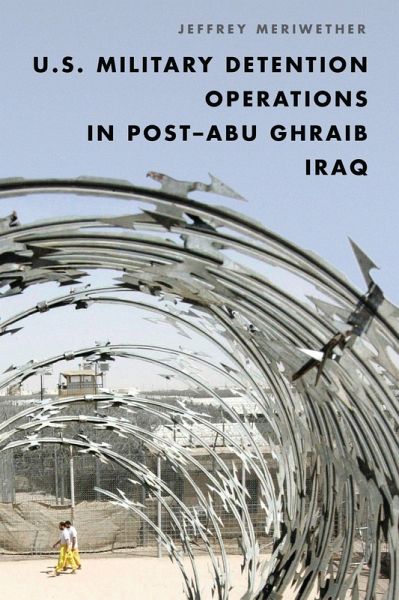
") U.S. Military Detention Operations in Post-Abu Ghraib Iraq (eBook, ePUB)61,95 €
U.S. Military Detention Operations in Post-Abu Ghraib Iraq (eBook, ePUB)61,95 €") Security and the War on Terror (eBook, PDF)45,95 €
Security and the War on Terror (eBook, PDF)45,95 €") Contemporary State Terrorism (eBook, PDF)45,95 €
Contemporary State Terrorism (eBook, PDF)45,95 €") Insurgency and Counterinsurgency (eBook, PDF)29,95 €
Insurgency and Counterinsurgency (eBook, PDF)29,95 €") After Abu Ghraib (eBook, PDF)22,95 €
After Abu Ghraib (eBook, PDF)22,95 €") Ghana Armed Forces in Lebanon and Liberia Peace Operations (eBook, PDF)37,95 €
Ghana Armed Forces in Lebanon and Liberia Peace Operations (eBook, PDF)37,95 €") Insurgency Warfare (eBook, PDF)27,95 €
Insurgency Warfare (eBook, PDF)27,95 €






Detention operations are vital to U.S. military doctrine and crucial to the success of combat and recovery missions. This book shows that the image of abuse from Abu-Ghraib were but one small, harmful element in an overwhelmingly successful detention mission in Iraq. It focuses on the subsequent developments and successes, explaining the standard rule-of-law approach taken by the U.S. military and examining the work in Iraq of such leaders as Major General John D. Gardner and Major General Douglas M. Stone. Overall, the text moves away from the Abu-Ghraib scandal to illuminate a largely unknown successful development in the U.S. detention operations. Following the Abu Ghraib scandal of 2003-2004, the U.S. Department of Defense scrambled to recover its reputation and that of its troops. As the Bush Administration sought to redefine torture, military judge advocates consistently challenged such moves, arguing in favor of the Geneva Conventions' humanitarian practices. By 2006, Department of Defense policy stipulated full respect for and use of the Geneva Conventions. This development was indeed a victory for American support for rule of law in Iraq, as well as an affirmation of standard practices in the detention command, Task Force 134. Pressures of war, however, continued to present their own challenges.