Helen M Free
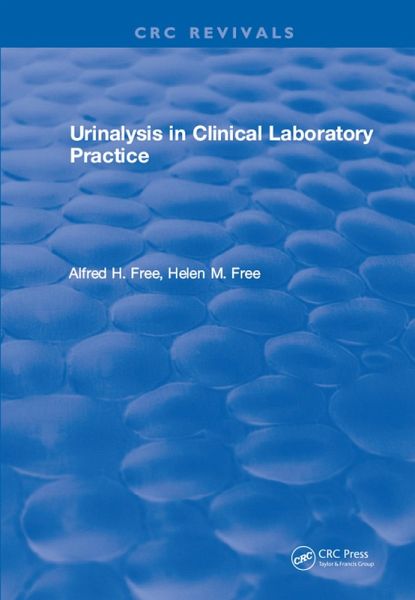
Urinalysis in Clinical Laboratory Practice (eBook, PDF)
186,95 €
186,95 €
inkl. MwSt.
Sofort per Download lieferbar

93 °P sammeln
186,95 €
Als Download kaufen
186,95 €
inkl. MwSt.
Sofort per Download lieferbar
93 °P sammeln
Jetzt verschenken
Alle Infos zum eBook verschenken
186,95 €
inkl. MwSt.
Sofort per Download lieferbar
Alle Infos zum eBook verschenken
93 °P sammeln
Helen M Free
Urinalysis in Clinical Laboratory Practice (eBook, PDF)
- Format: PDF
- Merkliste
- Auf die Merkliste
- Bewerten Bewerten
- Teilen
- Produkt teilen
- Produkterinnerung
- Produkterinnerung

Bitte loggen Sie sich zunächst in Ihr Kundenkonto ein oder registrieren Sie sich bei
bücher.de, um das eBook-Abo tolino select nutzen zu können.
Hier können Sie sich einloggen
Sie sind bereits eingeloggt. Klicken Sie auf 2. tolino select Abo, um fortzufahren.

Bitte loggen Sie sich zunächst in Ihr Kundenkonto ein oder registrieren Sie sich bei bücher.de, um das eBook-Abo tolino select nutzen zu können.
This book discusses urinalysis in clinical laboratory practice, including a historical overview, methods, future endeavours.
- Geräte: PC
- mit Kopierschutz
- eBook Hilfe
- Größe: 25.73MB
Andere Kunden interessierten sich auch für
J. Ellis BellSpectroscopy In Biochemistry (eBook, PDF)186,95 €
Leslie M. LoewSpectroscopic Membrane Probes (eBook, PDF)52,95 €
Larry R. DaltonEPR and Advanced EPR Studies of Biological Systems (eBook, PDF)216,95 €
J. Ellis BellSpectroscopy in Biochemistry (eBook, PDF)216,95 €
Jens A. PedersenHandbook of EPR Spectra from Quinones and Quinols (eBook, PDF)216,95 €
C. BurtPhosphorus NMR in Biology (eBook, PDF)186,95 €
Eugene A GlyssonComputerization (eBook, PDF)52,95 €-
-
-
This book discusses urinalysis in clinical laboratory practice, including a historical overview, methods, future endeavours.
Dieser Download kann aus rechtlichen Gründen nur mit Rechnungsadresse in A, B, BG, CY, CZ, D, DK, EW, E, FIN, F, GR, HR, H, IRL, I, LT, L, LR, M, NL, PL, P, R, S, SLO, SK ausgeliefert werden.
Produktdetails
- Produktdetails
- Verlag: Taylor & Francis eBooks
- Seitenzahl: 294
- Erscheinungstermin: 10. Januar 2018
- Englisch
- ISBN-13: 9781351085915
- Artikelnr.: 50916548
- Verlag: Taylor & Francis eBooks
- Seitenzahl: 294
- Erscheinungstermin: 10. Januar 2018
- Englisch
- ISBN-13: 9781351085915
- Artikelnr.: 50916548
- Herstellerkennzeichnung Die Herstellerinformationen sind derzeit nicht verfügbar.
Helen M Free
1. Introduction 2. History 3. Process of Urine Formation 4. Nature and
Composition of Urine From Healthy Subjects 5. Urine Collection 6. Good
Handling Practices 7. Physical Properties 8. Urine Volume, Density or
Specific Gravity, and Osmolality 9. Glucose and Other Reducing Substances
10. Protein 11. Ketone Bodies 12. Gross and Occult Blood 13. Myoglobin 14.
Bilirubin 15. Urobilinogen 16. Porphyrins and Related Compounds 17.
Microscopic Examination of Urine Sediment 18. Exfoliative Urinary Cytology
19. Bacteriuria 20. Phenylketonuria 21. Other Inborn Errors of Metabolism
22. Enzymes 23. Pregnancy Tests 24. Hormones 25. Sodium and Chloride 26.
Potassium, Calcium, Magnesium, and Phosphate 27. Ph and Buffers 28. Trace
Elements 29. Toxicological Studies 30. Drugs and Abuse 31. Therapeutic
Drugs 32. Catecholamines 33. Urine Studies Relating to Nutrition 34.
Special Urine Tests 35. Clarence Studies 36. Routine Urinalysis 37. Urine
Controls 38. Automated Urinalysis and Special Instrumentation 39.
Urinalysis on Infants and Small Children 40. Radionuclides 42.
Radioimmunoassays 43. Urine Preservatives 44. Renal Lithalsas 45.
Relationship of Urine to Amniotic Fluid 46. Haemodialysis and Renal
Transplantation 47. Creative Approaches to Teaching Urinalysis 48.
Urinalysis in Animals 49. Urinalysis Around the World 50. Future
Potentialities of Urine Study
Composition of Urine From Healthy Subjects 5. Urine Collection 6. Good
Handling Practices 7. Physical Properties 8. Urine Volume, Density or
Specific Gravity, and Osmolality 9. Glucose and Other Reducing Substances
10. Protein 11. Ketone Bodies 12. Gross and Occult Blood 13. Myoglobin 14.
Bilirubin 15. Urobilinogen 16. Porphyrins and Related Compounds 17.
Microscopic Examination of Urine Sediment 18. Exfoliative Urinary Cytology
19. Bacteriuria 20. Phenylketonuria 21. Other Inborn Errors of Metabolism
22. Enzymes 23. Pregnancy Tests 24. Hormones 25. Sodium and Chloride 26.
Potassium, Calcium, Magnesium, and Phosphate 27. Ph and Buffers 28. Trace
Elements 29. Toxicological Studies 30. Drugs and Abuse 31. Therapeutic
Drugs 32. Catecholamines 33. Urine Studies Relating to Nutrition 34.
Special Urine Tests 35. Clarence Studies 36. Routine Urinalysis 37. Urine
Controls 38. Automated Urinalysis and Special Instrumentation 39.
Urinalysis on Infants and Small Children 40. Radionuclides 42.
Radioimmunoassays 43. Urine Preservatives 44. Renal Lithalsas 45.
Relationship of Urine to Amniotic Fluid 46. Haemodialysis and Renal
Transplantation 47. Creative Approaches to Teaching Urinalysis 48.
Urinalysis in Animals 49. Urinalysis Around the World 50. Future
Potentialities of Urine Study
1. Introduction 2. History 3. Process of Urine Formation 4. Nature and
Composition of Urine From Healthy Subjects 5. Urine Collection 6. Good
Handling Practices 7. Physical Properties 8. Urine Volume, Density or
Specific Gravity, and Osmolality 9. Glucose and Other Reducing Substances
10. Protein 11. Ketone Bodies 12. Gross and Occult Blood 13. Myoglobin 14.
Bilirubin 15. Urobilinogen 16. Porphyrins and Related Compounds 17.
Microscopic Examination of Urine Sediment 18. Exfoliative Urinary Cytology
19. Bacteriuria 20. Phenylketonuria 21. Other Inborn Errors of Metabolism
22. Enzymes 23. Pregnancy Tests 24. Hormones 25. Sodium and Chloride 26.
Potassium, Calcium, Magnesium, and Phosphate 27. Ph and Buffers 28. Trace
Elements 29. Toxicological Studies 30. Drugs and Abuse 31. Therapeutic
Drugs 32. Catecholamines 33. Urine Studies Relating to Nutrition 34.
Special Urine Tests 35. Clarence Studies 36. Routine Urinalysis 37. Urine
Controls 38. Automated Urinalysis and Special Instrumentation 39.
Urinalysis on Infants and Small Children 40. Radionuclides 42.
Radioimmunoassays 43. Urine Preservatives 44. Renal Lithalsas 45.
Relationship of Urine to Amniotic Fluid 46. Haemodialysis and Renal
Transplantation 47. Creative Approaches to Teaching Urinalysis 48.
Urinalysis in Animals 49. Urinalysis Around the World 50. Future
Potentialities of Urine Study
Composition of Urine From Healthy Subjects 5. Urine Collection 6. Good
Handling Practices 7. Physical Properties 8. Urine Volume, Density or
Specific Gravity, and Osmolality 9. Glucose and Other Reducing Substances
10. Protein 11. Ketone Bodies 12. Gross and Occult Blood 13. Myoglobin 14.
Bilirubin 15. Urobilinogen 16. Porphyrins and Related Compounds 17.
Microscopic Examination of Urine Sediment 18. Exfoliative Urinary Cytology
19. Bacteriuria 20. Phenylketonuria 21. Other Inborn Errors of Metabolism
22. Enzymes 23. Pregnancy Tests 24. Hormones 25. Sodium and Chloride 26.
Potassium, Calcium, Magnesium, and Phosphate 27. Ph and Buffers 28. Trace
Elements 29. Toxicological Studies 30. Drugs and Abuse 31. Therapeutic
Drugs 32. Catecholamines 33. Urine Studies Relating to Nutrition 34.
Special Urine Tests 35. Clarence Studies 36. Routine Urinalysis 37. Urine
Controls 38. Automated Urinalysis and Special Instrumentation 39.
Urinalysis on Infants and Small Children 40. Radionuclides 42.
Radioimmunoassays 43. Urine Preservatives 44. Renal Lithalsas 45.
Relationship of Urine to Amniotic Fluid 46. Haemodialysis and Renal
Transplantation 47. Creative Approaches to Teaching Urinalysis 48.
Urinalysis in Animals 49. Urinalysis Around the World 50. Future
Potentialities of Urine Study