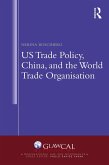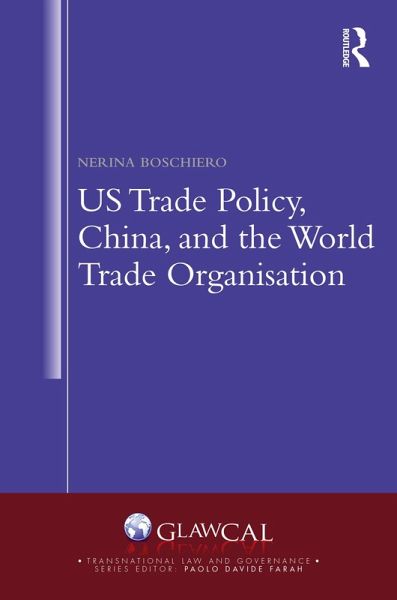
US Trade Policy, China and the World Trade Organisation (eBook, PDF)
Sofort per Download lieferbar
US Trade Policy, China and the World Trade Organisation (eBook, PDF)
- Format: PDF
- Merkliste
- Auf die Merkliste
- Bewerten Bewerten
- Teilen
- Produkt teilen
- Produkterinnerung
- Produkterinnerung

Hier können Sie sich einloggen

Bitte loggen Sie sich zunächst in Ihr Kundenkonto ein oder registrieren Sie sich bei bücher.de, um das eBook-Abo tolino select nutzen zu können.
The last few years have been "anni horribiles" for in International Economic Law in general and in particular for the World Trade Organization, since its inception in 1995 the guarantor of the world multilateral trade system. The increasing trade tensions, a high level of US security tariffs on steel and aluminium, the US boycott of the WTO Appellate Body, the US-China "trade war" and the reasons underlining it, only aggravated a disastrous world-wide economic situation at a time of tremendous global health and societal emergency, due to the persistent devastating spread of the COVID-19…mehr
- Geräte: PC
- mit Kopierschutz
- eBook Hilfe
Nerina BoschieroUS Trade Policy, China and the World Trade Organisation (eBook, ePUB)39,95 €
David CollinsPrinciples of World Trade Law (eBook, PDF)39,95 €
Ying ChenTrade, Food Security, and Human Rights (eBook, PDF)41,95 €
Wei GaoOnline Dispute Resolution in China (eBook, PDF)39,95 €
Leading Works in International Law (eBook, PDF)42,95 €
Routledge Handbook on Transnational Commercial Law (eBook, PDF)43,95 €
Kevin CrowInternational Corporate Personhood (eBook, PDF)39,95 €-
-
-
Dieser Download kann aus rechtlichen Gründen nur mit Rechnungsadresse in A, B, BG, CY, CZ, D, DK, EW, E, FIN, F, GR, HR, H, IRL, I, LT, L, LR, M, NL, PL, P, R, S, SLO, SK ausgeliefert werden.
- Produktdetails
- Verlag: Taylor & Francis eBooks
- Seitenzahl: 290
- Erscheinungstermin: 5. Juni 2023
- Englisch
- ISBN-13: 9781000887303
- Artikelnr.: 67794445
- Verlag: Taylor & Francis eBooks
- Seitenzahl: 290
- Erscheinungstermin: 5. Juni 2023
- Englisch
- ISBN-13: 9781000887303
- Artikelnr.: 67794445
- Herstellerkennzeichnung Die Herstellerinformationen sind derzeit nicht verfügbar.
Section 1: A Brief Summary of US Trade Policy under President Donald Trump
Introduction.................................................................................................
1.1 The Extensive Recourse to (Unilateral) Trade
Tariffs............................................
1.2 The Trade War with
China..........................................................................
1.3 The Relationship with WTO and its Dispute Resolution
System...............................
1.4 The National Security's
Narrative..................................................................
1.5 The Attitude Towards Preferential Trade
Agreements..........................................
Section 2: President Biden's 2021 Trade Agenda: Will it Really Change
Course?
1. Rescuing US Foreign Policy After Trump in Specific Areas, to Meet
Global Challenges..
2.2 A Foreign Policy for the Middle Class: The Trump's Protectionist
Policies Are Here to
Stay?...............................................................................................................................
1. The Biden's Worker Centric Trade
Policy...................................................
2. Addressing China's 'Coercive and Unfair Economic Trade Practices'
Through a Comprehensive
Strategy...........................................................................
3. Partnering with Friends and Allies to Repair Partnerships and
Alliances: But... Mainly for Holding China to
Account...................................................................
4. Tariffs: Any Possibility of Their De-escalation and/or
Removal?.................................
5. Biden and the
WTO..............................................................................
6. The so-called "US National Security Concerns"
.......................................
Chapter 2: The Recent Shift in the American Trade Policy Agenda Towards
Unilateralism
2.1 The US Unilateral Tariffs on Steel and Aluminium under Section 232 of
the 1962 Trade Expansion Act and their Impact on Multilateral Trade
Rules....................................
2. 2 The Tit for Tat Retaliatory Actions Taken by the WTO Members Affected
by the US's Unilateral Tariffs. The Problem of their Characterization as
"Safeguard Measures in Disguise
"..............................................................................................................
2.3 The Section 301 of the 1974 Trade Act and the Sanctions against
China....................
2.4 The Complex Legal Relationship between the WTO Dispute Settlement
System and Section 301 Investigations Against China. The US- China
Litigations............................
2.5 The 2019 "Phase One" US-China Agreement. Any Possibility for a "Phase
Two"?..........
Chapter 3: The Economic and Legal Reasons Underlying the US-China Rivalry
and the Consequences for the WTO System
3.1 The (Unconvincing) US' Trade Economic
Reasons..........................................
3.2 The Reasons Associated with the Chinese Economic
Growth.................................
3.3 The Problem of China's Special and Differential Treatment as a
"Developing
Country".................................................................................................
3.4 The US Protectionist Strategy in the Antidumping Cases Against China in
the Light of the Complex Problem of its "Market Economy"
Status.............................................
3.5 The Trade-Distorting Role of Subsidies Conferred to Chinese State-Owned
Enterprises
(SOEs)...................................................................................................
3.6 The Ongoing Controversy about the Legal Concept of "Public Body" under
the SCM
Agreement..................................................................................................
3.7 The Innovative Provisions Contained in the Most Recent Regional and
Preferential Trade Agreements: Any Best Way to Deal with China?
.......................................................
3.8 The Missing Point: The New (Necessary) Role of Governmental
Intervention and Involvement in the Current Health and Economic
Crisis............................................
Chapter 4: The Overall Impact on the New US Trade Agenda on the WTO Dispute
Settlement System
Introduction.................................................................................................
4.1 A Brief Analysis of the Major Reasons of US's Discontent about the
AB..................,
4.2 International Bodies' Interpretation of WTO Law versus National
Sovereignty............
4.3 The Alleged AB "Judicial Activism" in the Interpretation of the WTO
Rules..............
4.4 The Problem of AB Reports as "Binding
Precedents"...........................................
4.5 The Problem of Gap-filling Activities by the WTO Dispute Settlement
System, Especially in Sensitive Area of US's
Concerns.......................................................
4.6 How to Better Reconcile the Need of a Compulsory, Impartial and
Enforceable Dispute Settlement Mechanism with the US Request of Higher
Degree of Control and Political Checks on Adjudicative
Outcomes..............................
4.7 The European's Reaction to the Impasse of the WTO Settlement Mechanism:
the EU's Interim Appeals System (MPIA)
.........................................
4.8 The New EU Enforcement Regulation and Its Compliance with Public
International Law
Chapter 5: The US Section 232 Actions as National Security Measures. a New
Era for WTO Security Exceptions ?
5.1 The US's Counterclaim in the Light of the Negotiating History and
Historical Interpretation of the Security Exception under Article XXI
GATT............
5.2 The "Self-judging" Nature of Security Exception in Previous
Adjudications of Other International Law Fora (International Court of
Justice and International Investment Arbitrations)
..........................................................................................
5.3 The Very First Interpretation of Article XXI (b) (iii) by the AB in its
Russia Panel Report. The Main
Findings.............................................................................
5.4 Relevant Implications for the Ongoing Disputes Relating to Sections 232
Actions......
5-5 The Security Exception of Article 73 TRIPS as Interpreted by the Panel
Report in the Qatar's WTO Dispute with Saudi
Arabia.........................................................
5.6 The Recent Invocation by Ukraine of the Security Exceptions of the WTO
to Justify its Imposition to the Russian Federation of a "Complete Economic
Embargo" and the Measures Adopted by Third States
..............................................................................
5.7 The Need of a Re-conceptualization of the WTO Security Exceptions in
the Light of their Evolving Nature:
a) National security as "economic self-sufficiency and
competitiveness"................
b) Other threats to the national
security.......................................................
C Concluding Remarks: Economic Nationalisms versus the Multilateral Trading
System
Section 1: A Brief Summary of US Trade Policy under President Donald Trump
Introduction.................................................................................................
1.1 The Extensive Recourse to (Unilateral) Trade
Tariffs............................................
1.2 The Trade War with
China..........................................................................
1.3 The Relationship with WTO and its Dispute Resolution
System...............................
1.4 The National Security's
Narrative..................................................................
1.5 The Attitude Towards Preferential Trade
Agreements..........................................
Section 2: President Biden's 2021 Trade Agenda: Will it Really Change
Course?
1. Rescuing US Foreign Policy After Trump in Specific Areas, to Meet
Global Challenges..
2.2 A Foreign Policy for the Middle Class: The Trump's Protectionist
Policies Are Here to
Stay?...............................................................................................................................
1. The Biden's Worker Centric Trade
Policy...................................................
2. Addressing China's 'Coercive and Unfair Economic Trade Practices'
Through a Comprehensive
Strategy...........................................................................
3. Partnering with Friends and Allies to Repair Partnerships and
Alliances: But... Mainly for Holding China to
Account...................................................................
4. Tariffs: Any Possibility of Their De-escalation and/or
Removal?.................................
5. Biden and the
WTO..............................................................................
6. The so-called "US National Security Concerns"
.......................................
Chapter 2: The Recent Shift in the American Trade Policy Agenda Towards
Unilateralism
2.1 The US Unilateral Tariffs on Steel and Aluminium under Section 232 of
the 1962 Trade Expansion Act and their Impact on Multilateral Trade
Rules....................................
2. 2 The Tit for Tat Retaliatory Actions Taken by the WTO Members Affected
by the US's Unilateral Tariffs. The Problem of their Characterization as
"Safeguard Measures in Disguise
"..............................................................................................................
2.3 The Section 301 of the 1974 Trade Act and the Sanctions against
China....................
2.4 The Complex Legal Relationship between the WTO Dispute Settlement
System and Section 301 Investigations Against China. The US- China
Litigations............................
2.5 The 2019 "Phase One" US-China Agreement. Any Possibility for a "Phase
Two"?..........
Chapter 3: The Economic and Legal Reasons Underlying the US-China Rivalry
and the Consequences for the WTO System
3.1 The (Unconvincing) US' Trade Economic
Reasons..........................................
3.2 The Reasons Associated with the Chinese Economic
Growth.................................
3.3 The Problem of China's Special and Differential Treatment as a
"Developing
Country".................................................................................................
3.4 The US Protectionist Strategy in the Antidumping Cases Against China in
the Light of the Complex Problem of its "Market Economy"
Status.............................................
3.5 The Trade-Distorting Role of Subsidies Conferred to Chinese State-Owned
Enterprises
(SOEs)...................................................................................................
3.6 The Ongoing Controversy about the Legal Concept of "Public Body" under
the SCM
Agreement..................................................................................................
3.7 The Innovative Provisions Contained in the Most Recent Regional and
Preferential Trade Agreements: Any Best Way to Deal with China?
.......................................................
3.8 The Missing Point: The New (Necessary) Role of Governmental
Intervention and Involvement in the Current Health and Economic
Crisis............................................
Chapter 4: The Overall Impact on the New US Trade Agenda on the WTO Dispute
Settlement System
Introduction.................................................................................................
4.1 A Brief Analysis of the Major Reasons of US's Discontent about the
AB..................,
4.2 International Bodies' Interpretation of WTO Law versus National
Sovereignty............
4.3 The Alleged AB "Judicial Activism" in the Interpretation of the WTO
Rules..............
4.4 The Problem of AB Reports as "Binding
Precedents"...........................................
4.5 The Problem of Gap-filling Activities by the WTO Dispute Settlement
System, Especially in Sensitive Area of US's
Concerns.......................................................
4.6 How to Better Reconcile the Need of a Compulsory, Impartial and
Enforceable Dispute Settlement Mechanism with the US Request of Higher
Degree of Control and Political Checks on Adjudicative
Outcomes..............................
4.7 The European's Reaction to the Impasse of the WTO Settlement Mechanism:
the EU's Interim Appeals System (MPIA)
.........................................
4.8 The New EU Enforcement Regulation and Its Compliance with Public
International Law
Chapter 5: The US Section 232 Actions as National Security Measures. a New
Era for WTO Security Exceptions ?
5.1 The US's Counterclaim in the Light of the Negotiating History and
Historical Interpretation of the Security Exception under Article XXI
GATT............
5.2 The "Self-judging" Nature of Security Exception in Previous
Adjudications of Other International Law Fora (International Court of
Justice and International Investment Arbitrations)
..........................................................................................
5.3 The Very First Interpretation of Article XXI (b) (iii) by the AB in its
Russia Panel Report. The Main
Findings.............................................................................
5.4 Relevant Implications for the Ongoing Disputes Relating to Sections 232
Actions......
5-5 The Security Exception of Article 73 TRIPS as Interpreted by the Panel
Report in the Qatar's WTO Dispute with Saudi
Arabia.........................................................
5.6 The Recent Invocation by Ukraine of the Security Exceptions of the WTO
to Justify its Imposition to the Russian Federation of a "Complete Economic
Embargo" and the Measures Adopted by Third States
..............................................................................
5.7 The Need of a Re-conceptualization of the WTO Security Exceptions in
the Light of their Evolving Nature:
a) National security as "economic self-sufficiency and
competitiveness"................
b) Other threats to the national
security.......................................................
C Concluding Remarks: Economic Nationalisms versus the Multilateral Trading
System