Sie sind bereits eingeloggt. Klicken Sie auf 2. tolino select Abo, um fortzufahren.
Bitte loggen Sie sich zunächst in Ihr Kundenkonto ein oder registrieren Sie sich bei bücher.de, um das eBook-Abo tolino select nutzen zu können.
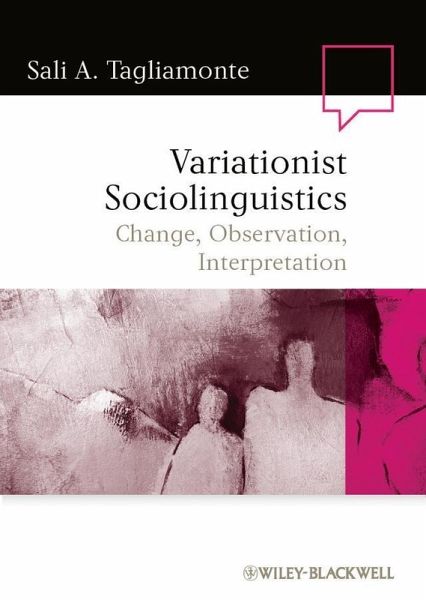
Variationist Sociolinguistics: Change, Observation, Interpretation presents a comprehensive, intermediate level examination of Language Variation and Change, the branch of sociolinguistics concerned with linguistic variation in spoken and written language. * Represents the most up-to-date coverage of the history, developments, and methodologies of variationist sociolinguistics * Addresses all aspects of linguistic variation, including areas not usually covered in introductory texts, e.g. the phonological, morpho-syntactic, discourse/pragmatic * Outlines comparative sociolinguistic approach,…mehr
Variationist Sociolinguistics: Change, Observation, Interpretation presents a comprehensive, intermediate level examination of Language Variation and Change, the branch of sociolinguistics concerned with linguistic variation in spoken and written language. * Represents the most up-to-date coverage of the history, developments, and methodologies of variationist sociolinguistics * Addresses all aspects of linguistic variation, including areas not usually covered in introductory texts, e.g. the phonological, morpho-syntactic, discourse/pragmatic * Outlines comparative sociolinguistic approach, data collection, methodological issues; and addresses state-of-the-art contemporary quantitative methods and statistical practice * Features cutting-edge research at an appropriate level to facilitate student learning * Engages students throughout with a variety of pedagogical features, including Mini Quizzes to test comprehension, extensive Exercises at the end of each chapter, the opportunity to do hands-on quantitative analysis of a never-before published data set, and Notes and Tips that offer insight into conducting sociolinguistic research. Extra materials and answers to the exercises are available at href="http://www.wiley.com/go/tagliamonte">www.wiley.com/go/tagliamonte
Dieser Download kann aus rechtlichen Gründen nur mit Rechnungsadresse in D ausgeliefert werden.
Die Herstellerinformationen sind derzeit nicht verfügbar.
Autorenporträt
Sali A. Tagliamonte is a Professor in the Linguistics Department at the University of Toronto, Canada. She is author of Analysing Sociolinguistic Variation (2006), co-author of African American English in the Diaspora: Tense and Aspect (Wiley-Blackwell, 2001), and has published on African American varieties; British, Irish, and Canadian dialects; as well as child, teen, television, and Internet languages.
Inhaltsangabe
Acknowledgments x Foreword xii Series Editor's Preface xiii Preface xiv List of Figures xvii List of Tables xx 1 Sociolinguistics as Language Variation and Change 1 Sociolinguistics 1 The Linguistic Variable 3 Linguistic Change 8 The Principle of Accountability 9 Circumscribing the Variable Context 10 Evolution of the Linguistic Variable 15 The Importance of Accountability 19 Language Variation and Change and Linguistic Theory 21 Exercises 22 2 Social Patterns 25 Social Class 25 Sex (or Gender) 32 Style and Register 34 Mobility in Space and Mobility in Class 35 Social Network, Communities of Practice 36 Ethnicity and Culture 38 The Mass Media 41 Age 43 Types of Change 56 Principles of Linguistic Change 62 Summary 65 Exercises 66 3 Linguistic Patterns 71 Sound Change 74 Morphological Change 76 Syntactic Change 80 Semantic Change 84 Grammaticalization 87 Lexical Effects 91 Exemplar Theory 94 Exercises 97 4 Data and Method 100 The Speech Community 100 Corpus Building 101 Creating Sociolinguistic Corpora 102 The Individual and the Group 108 Constructing an LVC Study 110 Research Ethics 115 The Gold - Your Data 116 The Real World 117 5 Quantitative Analysis 120 The Quantitative Paradigm 120 Distributional Analysis 121 Statistical Modeling 121 The Three Lines of Evidence 122 The Case Study - Variable (that) 124 Goldvarb Logistic Regression 126 Challenging the Variable Rule Program 129 Drawbacks to the Variable Rule Program 137 New Toolkits for Variationist Sociolinguistics 138 Summary 156 Exercises 157 6 Comparative Sociolinguistics 162 Comparison 162 The Comparative Method 163 Comparison in Origins 165 Comparison in Language Contact 166 Standards for Comparison 167 Variable (did) 168 Exercises 173 7 Phonological Variables 177 Variable (t,d) 179 Variable (ing) 187 Tips for Studying Phonological Variables 195 Exercises 203 8 Morpho-Syntactic Variables 206 Verbal (s) 207 Adverb (ly) 217 Modal (have to) 228 Studying Morpho-Syntactic Variables 235 Exercises 241 9 Discourse/Pragmatic Features 247 Quotative (be like) 247 General Extenders 258 Studying the Discourse/Pragmatic Variable 269 Exercises 277 10 Tense/Aspect Variables 279 Grammaticalization and Tense/Aspect Variables 280 Future (going to) 281 Perfect (have) 296 Studying Tense/Aspect Variables 308 Exercises 311 11 Other Variables 314 Variable (come) 315 Variable (Intensifiers) 320 Language and the Internet 336 Studying Unusual Variables 342 Exercises 345 12 Sociolinguistic Explanations 349 What Are the Constraints on Change? 349 How Does Language Change? 350 How Is a Change Embedded in Social and Linguistic Systems? 350 Evaluation of a Change 351 Statistical Modeling 353 Traditional Explanations 354 The Principle of Interaction 355 Appendix A: Corpora Cited 358 Appendix B: Time Periods in the History of English 359 References 360 Subject Index 392 Index of Linguistic Variables 400
Acknowledgments x Foreword xii Series Editor's Preface xiii Preface xiv List of Figures xvii List of Tables xx 1 Sociolinguistics as Language Variation and Change 1 Sociolinguistics 1 The Linguistic Variable 3 Linguistic Change 8 The Principle of Accountability 9 Circumscribing the Variable Context 10 Evolution of the Linguistic Variable 15 The Importance of Accountability 19 Language Variation and Change and Linguistic Theory 21 Exercises 22 2 Social Patterns 25 Social Class 25 Sex (or Gender) 32 Style and Register 34 Mobility in Space and Mobility in Class 35 Social Network, Communities of Practice 36 Ethnicity and Culture 38 The Mass Media 41 Age 43 Types of Change 56 Principles of Linguistic Change 62 Summary 65 Exercises 66 3 Linguistic Patterns 71 Sound Change 74 Morphological Change 76 Syntactic Change 80 Semantic Change 84 Grammaticalization 87 Lexical Effects 91 Exemplar Theory 94 Exercises 97 4 Data and Method 100 The Speech Community 100 Corpus Building 101 Creating Sociolinguistic Corpora 102 The Individual and the Group 108 Constructing an LVC Study 110 Research Ethics 115 The Gold - Your Data 116 The Real World 117 5 Quantitative Analysis 120 The Quantitative Paradigm 120 Distributional Analysis 121 Statistical Modeling 121 The Three Lines of Evidence 122 The Case Study - Variable (that) 124 Goldvarb Logistic Regression 126 Challenging the Variable Rule Program 129 Drawbacks to the Variable Rule Program 137 New Toolkits for Variationist Sociolinguistics 138 Summary 156 Exercises 157 6 Comparative Sociolinguistics 162 Comparison 162 The Comparative Method 163 Comparison in Origins 165 Comparison in Language Contact 166 Standards for Comparison 167 Variable (did) 168 Exercises 173 7 Phonological Variables 177 Variable (t,d) 179 Variable (ing) 187 Tips for Studying Phonological Variables 195 Exercises 203 8 Morpho-Syntactic Variables 206 Verbal (s) 207 Adverb (ly) 217 Modal (have to) 228 Studying Morpho-Syntactic Variables 235 Exercises 241 9 Discourse/Pragmatic Features 247 Quotative (be like) 247 General Extenders 258 Studying the Discourse/Pragmatic Variable 269 Exercises 277 10 Tense/Aspect Variables 279 Grammaticalization and Tense/Aspect Variables 280 Future (going to) 281 Perfect (have) 296 Studying Tense/Aspect Variables 308 Exercises 311 11 Other Variables 314 Variable (come) 315 Variable (Intensifiers) 320 Language and the Internet 336 Studying Unusual Variables 342 Exercises 345 12 Sociolinguistic Explanations 349 What Are the Constraints on Change? 349 How Does Language Change? 350 How Is a Change Embedded in Social and Linguistic Systems? 350 Evaluation of a Change 351 Statistical Modeling 353 Traditional Explanations 354 The Principle of Interaction 355 Appendix A: Corpora Cited 358 Appendix B: Time Periods in the History of English 359 References 360 Subject Index 392 Index of Linguistic Variables 400
Rezensionen
"The author's aims of introducing the field of LVC to learners, discussing its principle goals and achievements, and opening up discussion for advances in the field have been successfully achieved in this volume." (LINGUIST, 16 May 2012) Featured on CBC Radio One's Ontario Today (17th October), http://www.cbc.ca/ontariotoday/2011/10/17/tuesday-northern-and-southern-expressions/#socialcomments
Es gelten unsere Allgemeinen Geschäftsbedingungen: www.buecher.de/agb
Impressum
www.buecher.de ist ein Internetauftritt der buecher.de internetstores GmbH
Geschäftsführung: Monica Sawhney | Roland Kölbl | Günter Hilger
Sitz der Gesellschaft: Batheyer Straße 115 - 117, 58099 Hagen
Postanschrift: Bürgermeister-Wegele-Str. 12, 86167 Augsburg
Amtsgericht Hagen HRB 13257
Steuernummer: 321/5800/1497
USt-IdNr: DE450055826