18,95 €
18,95 €
inkl. MwSt.
Sofort per Download lieferbar

9 °P sammeln
18,95 €
Als Download kaufen
18,95 €
inkl. MwSt.
Sofort per Download lieferbar
9 °P sammeln
Jetzt verschenken
Alle Infos zum eBook verschenken
18,95 €
inkl. MwSt.
Sofort per Download lieferbar
Alle Infos zum eBook verschenken
9 °P sammeln

Andere Kunden interessierten sich auch für
") Engaging Italy (eBook, ePUB)27,95 €
Engaging Italy (eBook, ePUB)27,95 €") Private Woman, Public Stage (eBook, ePUB)22,95 €
Private Woman, Public Stage (eBook, ePUB)22,95 €") Slavery, Capitalism, and Women's Literature (eBook, ePUB)22,95 €
Slavery, Capitalism, and Women's Literature (eBook, ePUB)22,95 €") Feminism, the Left, and Postwar Literary Culture (eBook, ePUB)16,95 €
Feminism, the Left, and Postwar Literary Culture (eBook, ePUB)16,95 €") Sex Expression and American Women Writers, 1860-1940 (eBook, ePUB)18,95 €
Sex Expression and American Women Writers, 1860-1940 (eBook, ePUB)18,95 €") The Artistry of Anger (eBook, ePUB)22,95 €
The Artistry of Anger (eBook, ePUB)22,95 €") Lives beyond Borders (eBook, ePUB)25,95 €
Lives beyond Borders (eBook, ePUB)25,95 €

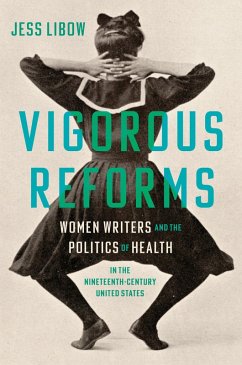
Nineteenth-century America saw profound changes in the ways people viewed their bodies, their health, and their corporeal connection to their environments. Though much of the writing about bodies was produced by men, Vigorous Reforms focuses on the understudied literary history of how women came to understand physicality and its connection to their everyday lives. The introduction of physical education allowed women to conceive their own and others' bodies not as static entities, but as adaptable to their own needs, goals, and labor. Jess Libow also shows the limits of the science of the era—since bodily differences were often understood as biologically determined, theories of health defined womanhood in terms of racialized bodily abilities. For example, settler colonial ideology coded Native women as deteriorating due to their “uncivilized” ways of life, and proponents of slavery insisted that Black women’s inherent strength made them suitable for enslavement. Drawing on a wide-ranging archive of ideas about exercise, hygiene, and nutrition, Libow argues that women’s writing about health was fundamental to the development of what we now think of as American feminism.
Dieser Download kann aus rechtlichen Gründen nur mit Rechnungsadresse in A, D ausgeliefert werden.