Sie sind bereits eingeloggt. Klicken Sie auf 2. tolino select Abo, um fortzufahren.
Bitte loggen Sie sich zunächst in Ihr Kundenkonto ein oder registrieren Sie sich bei bücher.de, um das eBook-Abo tolino select nutzen zu können.
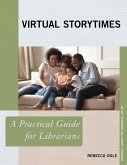
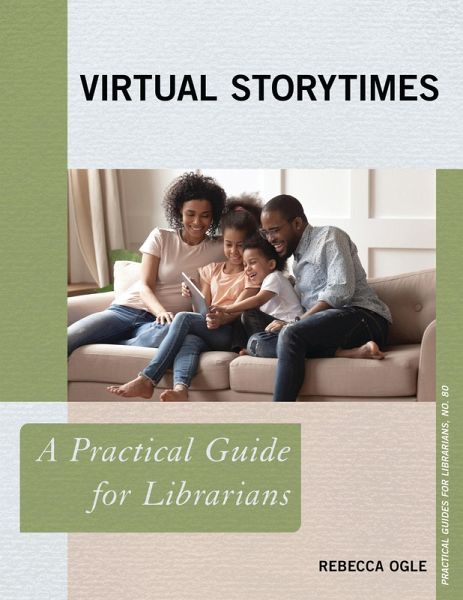
This is the first book to provide practical guidance for library staff on virtual storytime planning and production. Learn how to design virtual youth services tailored to patrons in different communities, and how virtual programs serve as a form of community outreach. Included in this guide: Case studies of successful virtual storytime programsCreative examples of potential programs, which can be developed and adaptedSimple tips on how to increase production value, regardless of available space and equipmentFeatures of virtual storytime software with which presenters should familiarize…mehr
This is the first book to provide practical guidance for library staff on virtual storytime planning and production. Learn how to design virtual youth services tailored to patrons in different communities, and how virtual programs serve as a form of community outreach. Included in this guide: Case studies of successful virtual storytime programsCreative examples of potential programs, which can be developed and adaptedSimple tips on how to increase production value, regardless of available space and equipmentFeatures of virtual storytime software with which presenters should familiarize themselvesA comprehensive list of websites, software applications, and assets for creating and sharing virtual programsAn overview of laws concerning online privacy and the use of copyrighted materials in virtual storytimesBackground information and talking points addressing the benefits and drawbacks of screen time for young patronsSample training syllabus, outline, script, and reflection questions for virtual storytime staff Children's librarians will find useful case studies, tips, and resources in this volume.
Die Herstellerinformationen sind derzeit nicht verfügbar.
Autorenporträt
Rebecca Ogle began her career as a content writer and digital marketer, before pursuing her passion for library services. Before COVID-19, she focused her outreach efforts on inclusivity and accessibility to literacy programs and resources for low-income and unhoused families. When Phoenix Public Libraries closed to the public, the Early Literacy Outreach Team (ELOT) sprang into action researching and developing a wide range of virtual programs, both pre-recorded and live. Rebecca and her ELOT colleagues earned a Service Excellence Award from the City of Phoenix for their creativity and efficacy adapting library programs for online patrons. While every member of ELOT, and a number of Phoenix Public Library branch staff, brought their own strengths to virtual storytimes, Rebecca discovered a particular knack for engaging audiences in her low-key, soothing style. She is passionate about equity, inclusivity, and access to library resources, and believes virtual storytimes can truly make a difference in every community.
Inhaltsangabe
Preface Chapter 1: Choosing A Virtual Format Identifying audiences and developing goals Synchronous versus asynchronous storytimes Exploration of virtual formats Chapter 2: Technological Considerations Hardware requirements and recommendations for library staff and patrons Accessibility best practices Web conferencing software features Image, presentation, and video software features File storage and organization Chapter 3: Legal Issues Privacy Laws Storytime and Fair Use Public domain and original content Creative Commons and attribution Copyright and permissions Avoiding issues with copyright algorithms Chapter 4: Planning and Preparation Planning: Now With More Technology Production quality tips Planning interactive virtual storytimes Book and media selection Preparing outlines and scripts Chapter 5: Showtime Strategies for common challenges Best practices during synchronous storytimes Best practices for recording Finishing touches in editing Chapter 6: Engaging Staff Key competencies for virtual storytime staff Screen time and media mentorship Training for virtual storytime Avoiding and addressing staff burnout Chapter 7: Outreach and Promotion Creating meaningful partnerships The marketing funnel Digital marketing best practices Social media engagement methods Appendix A: Software and Websites for Content Creators Appendix B: Case Study: Read With Us TV Series Appendix C: Case Study: Daniel Tiger Storytime on Facebook Live Appendix D: Sample Outline, Script, and Reflection
Es gelten unsere Allgemeinen Geschäftsbedingungen: www.buecher.de/agb
Impressum
www.buecher.de ist ein Internetauftritt der buecher.de internetstores GmbH
Geschäftsführung: Monica Sawhney | Roland Kölbl | Günter Hilger
Sitz der Gesellschaft: Batheyer Straße 115 - 117, 58099 Hagen
Postanschrift: Bürgermeister-Wegele-Str. 12, 86167 Augsburg
Amtsgericht Hagen HRB 13257
Steuernummer: 321/5800/1497
USt-IdNr: DE450055826