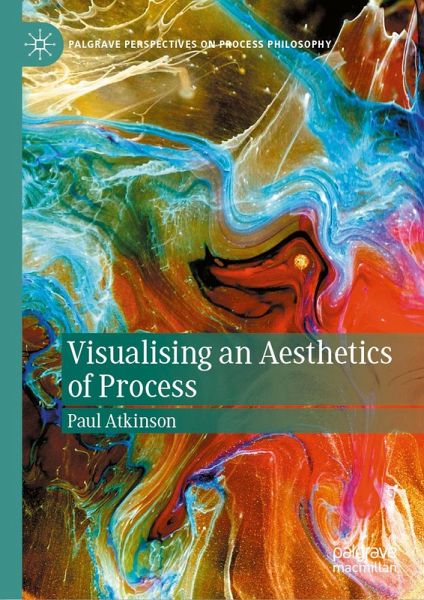
80,95 €
inkl. MwSt.
Sofort per Download lieferbar
40 °P sammeln

Andere Kunden interessierten sich auch für
") An Exploration of the Parallels between African and Process Metaphysics (eBook, PDF)112,95 €
An Exploration of the Parallels between African and Process Metaphysics (eBook, PDF)112,95 €") Peter van Inwagen (eBook, PDF)32,95 €
Peter van Inwagen (eBook, PDF)32,95 €") Ìwà: The Process-Relational Dimension to African Metaphysics (eBook, PDF)104,95 €
Ìwà: The Process-Relational Dimension to African Metaphysics (eBook, PDF)104,95 €") William Desmond's Philosophy between Metaphysics, Religion, Ethics, and Aesthetics (eBook, PDF)64,95 €
William Desmond's Philosophy between Metaphysics, Religion, Ethics, and Aesthetics (eBook, PDF)64,95 €") Moses Mendelssohn's Metaphysics and Aesthetics (eBook, PDF)112,95 €
Moses Mendelssohn's Metaphysics and Aesthetics (eBook, PDF)112,95 €") Kant, Shelley and the Visionary Critique of Metaphysics (eBook, PDF)72,95 €
Kant, Shelley and the Visionary Critique of Metaphysics (eBook, PDF)72,95 €") Visuelle Wahrnehmung bei Platon und Aristoteles (eBook, PDF)0,00 €
Visuelle Wahrnehmung bei Platon und Aristoteles (eBook, PDF)0,00 €
This book addresses aesthetics from a process philosophy perspective to highlight how even the perception of fixed objects, such as painting and drawing, depends on the intertwining and layering of a range of processes.
Drawing on philosophers within the process tradition, the book argues that the visual arts and aesthetics need to directly address speed differentials in vision and the material medium. In doing so, it rephrases questions in aesthetics - which often involve perduring objects, substances or even eternal ideas - in terms of durational differences. From this perspective, aesthesis constitutes the confluence between visual finitude and the broader movements of material becoming.
Visualising an Aesthetics of Process is essential reading for all scholars, researchers and advanced students of aesthetics and metaphysics.
Drawing on philosophers within the process tradition, the book argues that the visual arts and aesthetics need to directly address speed differentials in vision and the material medium. In doing so, it rephrases questions in aesthetics - which often involve perduring objects, substances or even eternal ideas - in terms of durational differences. From this perspective, aesthesis constitutes the confluence between visual finitude and the broader movements of material becoming.
Visualising an Aesthetics of Process is essential reading for all scholars, researchers and advanced students of aesthetics and metaphysics.
Dieser Download kann aus rechtlichen Gründen nur mit Rechnungsadresse in A, B, BG, CY, CZ, D, DK, EW, E, FIN, F, GR, HR, H, IRL, I, LT, L, LR, M, NL, PL, P, R, S, SLO, SK ausgeliefert werden.