28,95 €
28,95 €
inkl. MwSt.
Sofort per Download lieferbar

14 °P sammeln
28,95 €
Als Download kaufen
28,95 €
inkl. MwSt.
Sofort per Download lieferbar
14 °P sammeln
Jetzt verschenken
Alle Infos zum eBook verschenken
28,95 €
inkl. MwSt.
Sofort per Download lieferbar
Alle Infos zum eBook verschenken
14 °P sammeln

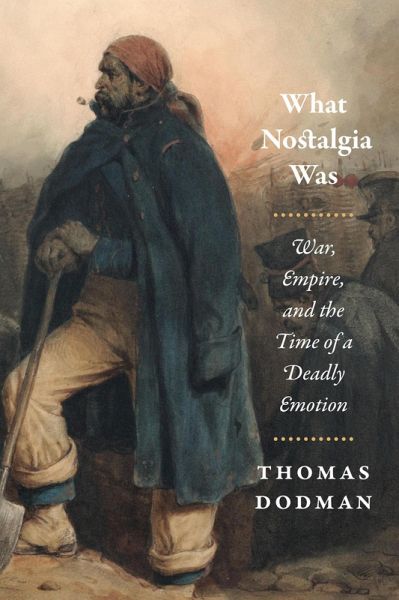
Nostalgia today is seen as essentially benign, a wistful longing for the past. This wasn't always the case, however: from the late seventeenth century through the end of the nineteenth, nostalgia denoted a form of homesickness so extreme that it could sometimes be deadly. What Nostalgia Was unearths that history. Thomas Dodman begins his story in Basel, where a nineteen-year-old medical student invented the new diagnosis, modeled on prevailing notions of melancholy. From there, Dodman traces its spread through the European republic of letters and into Napoleon's armies, as French soldiers far from home were diagnosed and treated for the disease. Nostalgia then gradually transformed from a medical term to a more expansive cultural concept, one that encompassed Romantic notions of the aesthetic pleasure of suffering. But the decisive shift toward its contemporary meaning occurred in the colonies, where Frenchmen worried about racial and cultural mixing came to view moderate homesickness as salutary. An afterword reflects on how the history of nostalgia can help us understand the transformations of the modern world, rounding out a surprising, fascinating tour through the history of a durable idea.