88,95 €
88,95 €
inkl. MwSt.
Sofort per Download lieferbar

44 °P sammeln
88,95 €
Als Download kaufen
88,95 €
inkl. MwSt.
Sofort per Download lieferbar
44 °P sammeln
Jetzt verschenken
Alle Infos zum eBook verschenken
88,95 €
inkl. MwSt.
Sofort per Download lieferbar
Alle Infos zum eBook verschenken
44 °P sammeln

Andere Kunden interessierten sich auch für
") Dominant Elites in Latin America (eBook, PDF)72,95 €
Dominant Elites in Latin America (eBook, PDF)72,95 €") Government-Business Relations and Regional Development in Post-Reform Mexico (eBook, PDF)40,95 €
Government-Business Relations and Regional Development in Post-Reform Mexico (eBook, PDF)40,95 €") Nation Failure, Ethnic Elites, and Balance of Power (eBook, PDF)64,95 €
Nation Failure, Ethnic Elites, and Balance of Power (eBook, PDF)64,95 €") Protest Publics (eBook, PDF)72,95 €
Protest Publics (eBook, PDF)72,95 €") China and India's Development Cooperation in Africa (eBook, PDF)68,95 €
China and India's Development Cooperation in Africa (eBook, PDF)68,95 €") Political Symbols and National Identity in Timor-Leste (eBook, PDF)56,95 €
Political Symbols and National Identity in Timor-Leste (eBook, PDF)56,95 €") The Palgrave Handbook of Disability and Citizenship in the Global South (eBook, PDF)216,95 €
The Palgrave Handbook of Disability and Citizenship in the Global South (eBook, PDF)216,95 €







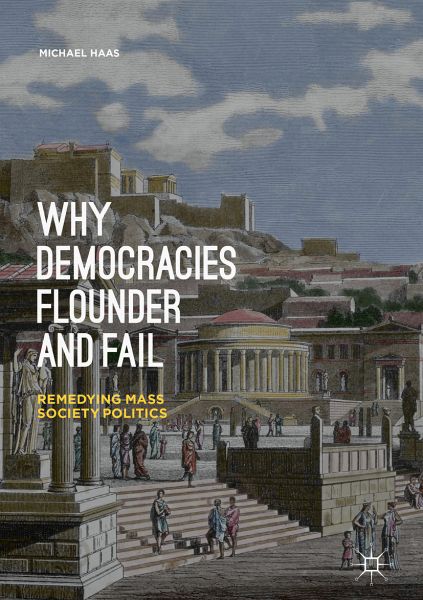
Rolls out a new theory of democracy and presents reasons why democracies flounder
Exposes how constitutions can facilitate the rise of competitive political parties and meaningful elections
Applies the concept of mass society to the anarchic rise of globalization
Dieser Download kann aus rechtlichen Gründen nur mit Rechnungsadresse in A, B, BG, CY, CZ, D, DK, EW, E, FIN, F, GR, HR, H, IRL, I, LT, L, LR, M, NL, PL, P, R, S, SLO, SK ausgeliefert werden.
"Haas' work yields a rich and comprehensive perspective on why democracies flounder and fail. Haas identifies factors of selfish policy-makers and companies, alongside the inability of the electorate to have a strong enough impact on their government or civil society. The book contributes to the existing body of research on democratization by illuminating the critical factors related to the current inadequacies and long-standing failures on the part of democracies, both in national and international level." (Ikhsan Darmawan, Democratization, August 23, 2019)