32,95 €
inkl. MwSt.
Sofort per Download lieferbar
16 °P sammeln

Andere Kunden interessierten sich auch für
") Planetary Politics (eBook, PDF)32,95 €
Planetary Politics (eBook, PDF)32,95 €") Conflicted are the Peacemakers (eBook, PDF)32,95 €
Conflicted are the Peacemakers (eBook, PDF)32,95 €") Political Science Revitalized (eBook, PDF)85,95 €
Political Science Revitalized (eBook, PDF)85,95 €") The Return of the Past (eBook, PDF)28,95 €
The Return of the Past (eBook, PDF)28,95 €") Who Speaks for Roma? (eBook, PDF)32,95 €
Who Speaks for Roma? (eBook, PDF)32,95 €") Rebel Economies (eBook, PDF)25,95 €
Rebel Economies (eBook, PDF)25,95 €") Failed States and Institutional Decay (eBook, PDF)30,95 €
Failed States and Institutional Decay (eBook, PDF)30,95 €

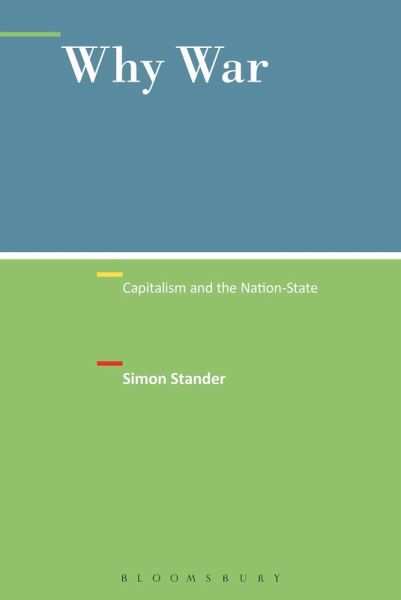
This groundbreaking survey explains why war remains predominant in today's world by showing how the spread of nationalism and capitalism has brought about modern warfare. It argues that the key explanation for modern conflict, which is characterized by violent conflicts between nation-states, civil war, and wars over resources, rests in the dialectical relationship between nation-states and capitalist modes of production, where nations have finite boundaries that capitalism seek to transcend in search of increased profits. Discussing issues such as globalization, global capitalism, North and Latin American continental policies, the nature of democracy, decolonization, and technology and military industrial complexes, this unique work challenges common approaches to international relations and peace studies.
This innovative, accessible work provides new insights into the causes and nature of modern war that will appeal to any student concerned with peace and violent conflict within the various fields of international relations, political economy, peace studies, and more.
This innovative, accessible work provides new insights into the causes and nature of modern war that will appeal to any student concerned with peace and violent conflict within the various fields of international relations, political economy, peace studies, and more.