1,99 €
inkl. MwSt.
Sofort per Download lieferbar
0 °P sammeln

Andere Kunden interessierten sich auch für
") The Politics of Gender Culture under State Socialism (eBook, ePUB)48,95 €
The Politics of Gender Culture under State Socialism (eBook, ePUB)48,95 €") Woman and Socialism (eBook, ePUB)1,99 €
Woman and Socialism (eBook, ePUB)1,99 €") The Truth About Woman (eBook, ePUB)0,49 €
The Truth About Woman (eBook, ePUB)0,49 €") Why Women Have Better Sex Under Socialism And Other Arguments for Economic Independence (eBook, ePUB)8,99 €
Why Women Have Better Sex Under Socialism And Other Arguments for Economic Independence (eBook, ePUB)8,99 €") Woman under Monasticism (eBook, ePUB)1,99 €
Woman under Monasticism (eBook, ePUB)1,99 €") Why Women Have Better Sex Under Socialism (eBook, ePUB)9,49 €
Why Women Have Better Sex Under Socialism (eBook, ePUB)9,49 €") Quit Being So Good: Stories of an Unapologetic Woman (eBook, ePUB)8,49 €
Quit Being So Good: Stories of an Unapologetic Woman (eBook, ePUB)8,49 €






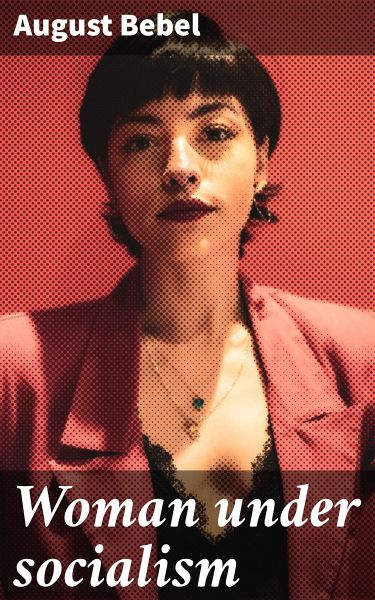
In "Woman under Socialism," August Bebel explores the intricate relationship between socialism and women's rights, critically examining the socio-economic structures that oppress women. Written in 1879, Bebel's text combines passionate advocacy with a scholarly approach, reflecting the zeitgeist of the early socialist movement while challenging prevailing gender norms. His work is peppered with historical examples and philosophical discourse, navigating topics from marriage and motherhood to labor rights and economic independence, presenting a compelling case for the emancipation of women through socialist principles. August Bebel, a prominent German socialist and co-founder of the Social Democratic Party, was deeply influenced by the revolutionary ideas of his time and his own experiences of inequality. His commitment to social justice and women's rights was rooted in both personal and political dimensions, leading him to champion the cause of women in a male-dominated society. Bebel's writing not only serves as a political treatise but also as a reflection of the burgeoning feminist movements of the late 19th century, positioning him as a pivotal figure in both socialism and women's advocacy. "Woman under Socialism" is essential reading for anyone interested in the intersections of gender and socialism, as well as those seeking a historical context for contemporary feminist discourse. Bebel's insightful analysis remains relevant, offering timeless perspectives on the quest for gender equality. Readers will find both inspiration and a call to action within its pages, making it a significant addition to the library of any socially conscious individual. In this enriched edition, we have carefully created added value for your reading experience: - A succinct Introduction situates the work's timeless appeal and themes. - The Synopsis outlines the central plot, highlighting key developments without spoiling critical twists. - A detailed Historical Context immerses you in the era's events and influences that shaped the writing. - A thorough Analysis dissects symbols, motifs, and character arcs to unearth underlying meanings. - Reflection questions prompt you to engage personally with the work's messages, connecting them to modern life. - Hand-picked Memorable Quotes shine a spotlight on moments of literary brilliance. - Interactive footnotes clarify unusual references, historical allusions, and archaic phrases for an effortless, more informed read.
Dieser Download kann aus rechtlichen Gründen nur mit Rechnungsadresse in A, B, BG, CY, CZ, D, DK, EW, E, FIN, F, GR, H, IRL, I, LT, L, LR, M, NL, PL, P, R, S, SLO, SK ausgeliefert werden.