99,95 €
99,95 €
inkl. MwSt.
Sofort per Download lieferbar

50 °P sammeln
99,95 €
Als Download kaufen
99,95 €
inkl. MwSt.
Sofort per Download lieferbar
50 °P sammeln
Jetzt verschenken
Alle Infos zum eBook verschenken
99,95 €
inkl. MwSt.
Sofort per Download lieferbar
Alle Infos zum eBook verschenken
50 °P sammeln

Andere Kunden interessierten sich auch für
") Writing Terror on the Bodies of Women (eBook, PDF)99,95 €
Writing Terror on the Bodies of Women (eBook, PDF)99,95 €") The African American Press in World War II (eBook, ePUB)34,95 €
The African American Press in World War II (eBook, ePUB)34,95 €") The Making of Arab News (eBook, ePUB)29,95 €
The Making of Arab News (eBook, ePUB)29,95 €") The Thematic Evolution of Sports Journalism's Narrative of Mental Illness (eBook, ePUB)74,95 €
The Thematic Evolution of Sports Journalism's Narrative of Mental Illness (eBook, ePUB)74,95 €") Journalism Ethics Goes to the Movies (eBook, ePUB)24,95 €
Journalism Ethics Goes to the Movies (eBook, ePUB)24,95 €") Political Pioneer of the Press (eBook, ePUB)29,95 €
Political Pioneer of the Press (eBook, ePUB)29,95 €") The Broadcast Journalism Handbook (eBook, ePUB)29,95 €
The Broadcast Journalism Handbook (eBook, ePUB)29,95 €







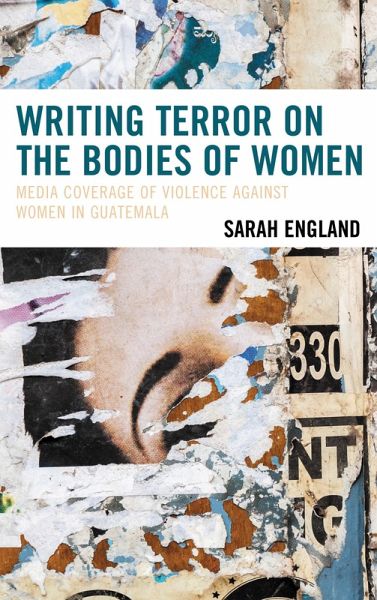
Writing Terror on the Bodies of Women: Media Coverage of Violence against Women in Guatemala analyzes the scope and dynamics of violence against women in Guatemala and how it is represented in the print media. Using nearly two thousand Guatemalan newspaper reports covering murders and assaults on women, this book contextualizes violence against women within the history of violence in Guatemala; gender ideologies and patriarchal social structures; and the contemporary demands of the women's movement for social and legislative change. It shows that while some newspapers cover violence against women with investigative reports and editorials that use feminist analysis and language, these are overshadowed by the large number of individual reports that reproduce narratives of terror and conceal the gendered nature of violence against women by suggesting that "delinquents," "gangs," "unknown men," and inexplicably violent husbands are the main culprits, while simultaneously upholding dichotomous gendered narratives of "good" and "bad" wives and daughters.