Sie sind bereits eingeloggt. Klicken Sie auf 2. tolino select Abo, um fortzufahren.
Bitte loggen Sie sich zunächst in Ihr Kundenkonto ein oder registrieren Sie sich bei bücher.de, um das eBook-Abo tolino select nutzen zu können.
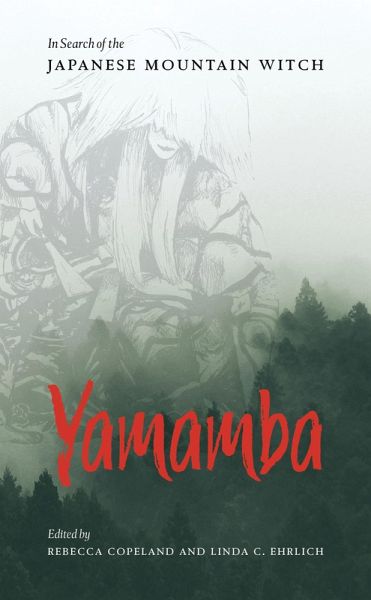
"Yamauba [yamamba] are the old hags and witches of the Japanese mountains and forests. . . . Yama uba were once human, but were corrupted and transformed into monsters. They usually appear as kind old ladies. Some sport horns or fangs, but most often they look just like ordinary elderly women, with no sign of their evil nature until they attack." (from Yokai Wiki) | An innovative and synergistic mixed media anthology -- an exciting hybrid of scholarly and creative writing--that encourages engagement, instruction, and rich reading response | Casts a wide net to include academicians, poets,…mehr
"Yamauba [yamamba] are the old hags and witches of the Japanese mountains and forests. . . . Yama uba were once human, but were corrupted and transformed into monsters. They usually appear as kind old ladies. Some sport horns or fangs, but most often they look just like ordinary elderly women, with no sign of their evil nature until they attack." (from Yokai Wiki)
An innovative and synergistic mixed media anthology -- an exciting hybrid of scholarly and creative writing--that encourages engagement, instruction, and rich reading response
Casts a wide net to include academicians, poets, fiction writers, professional Noh performers, contemporary choreographers and performance artists, and visual artists--all focused on one topic with broad application to gender and folklore studies.
Readers interested in women's issues, Japanese culture, literature, Japanese performing arts, mythology
Readers concerned about environmental issues will feel a sense of resonance with the power dynamic universality of the mountain figure.
"The yamamba is still robust in contemporary Japan. She is depicted in various literary works and media including film and manga. Yamamba-like figures such as yamanba-gyaru (yamanba gals) whose unique fashion took major cities by storm, particularly Shibuya in Tokyo, from 1998 through 2000 are still remembered vividly (if not fondly)."--Noriko Reider, from the Introduction
There are 233 programs in women's studies and 56 graduate programs in folklore in the US
Dieser Download kann aus rechtlichen Gründen nur mit Rechnungsadresse in A, D ausgeliefert werden.
Die Herstellerinformationen sind derzeit nicht verfügbar.
Autorenporträt
Rebecca Copeland is a professor of Japanese literature at Washington University in St. Louis, a writer of fiction and literary criticism, and a translator of Japanese literature. Her stories travel between Japan and the American South and touch on questions of identity, belonging, and self-discovery. The Kimono Tattoo, her debut work, takes readers on a journey into Kyoto’s intricate world of kimono design, and into a mystery that interweaves family dynamics, loss, and reconciliation. Linda C. Ehrlich is an independent scholar who has published extensively about world cinema and traditional theater. Her recent publication, The Films of Kore-eda Hirokazu: An Elemental Cinema (Palgrave Macmillan, 2020), is the first book in English on this influential Japanese director. She has published poetry in International Poetry Review, The Bitter Oleander, Southern Poetry Review, Literary Arts Hawaii, Pinesong, and other literary journals. Dr. Ehrlich has taught at Duke University, Case Western Reserve University, the University of Tennessee/Knoxville, and on two Semester-at-Sea voyages.
Es gelten unsere Allgemeinen Geschäftsbedingungen: www.buecher.de/agb
Impressum
www.buecher.de ist ein Internetauftritt der buecher.de internetstores GmbH
Geschäftsführung: Monica Sawhney | Roland Kölbl | Günter Hilger
Sitz der Gesellschaft: Batheyer Straße 115 - 117, 58099 Hagen
Postanschrift: Bürgermeister-Wegele-Str. 12, 86167 Augsburg
Amtsgericht Hagen HRB 13257
Steuernummer: 321/5800/1497
USt-IdNr: DE450055826