44,95 €
inkl. MwSt.
Sofort per Download lieferbar
22 °P sammeln

Andere Kunden interessierten sich auch für
") Balkan Legacies (eBook, PDF)44,95 €
Balkan Legacies (eBook, PDF)44,95 €") Between Stalin and Hitler (eBook, PDF)45,95 €
Between Stalin and Hitler (eBook, PDF)45,95 €") Conflict and Cohesion in Socialist Yugoslavia (eBook, PDF)43,95 €
Conflict and Cohesion in Socialist Yugoslavia (eBook, PDF)43,95 €") Visions of Annihilation (eBook, PDF)48,95 €
Visions of Annihilation (eBook, PDF)48,95 €") After Hitler, Before Stalin (eBook, PDF)40,95 €
After Hitler, Before Stalin (eBook, PDF)40,95 €") Elusive Equality (eBook, PDF)40,95 €
Elusive Equality (eBook, PDF)40,95 €") Designing Tito's Capital (eBook, PDF)44,95 €
Designing Tito's Capital (eBook, PDF)44,95 €





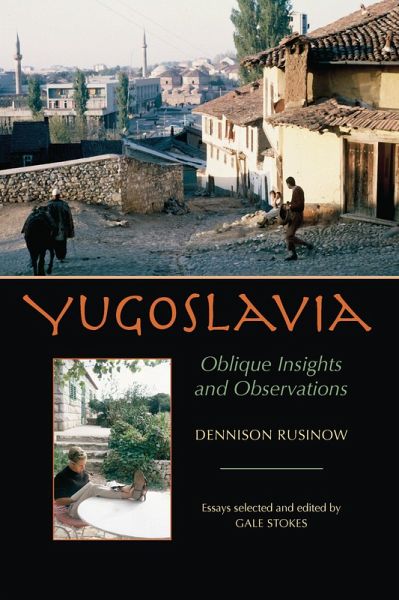
Defying Stalin and his brand of communism, Tito's Yugoslavia developed a unique kind of socialism that combined one-party rule with an economic system of workers' self-management that aroused intense interest throughout the cold war. As a member of the American Universities Field Staff, Dennison Rusinow became a long-time resident and frequent visitor to Yugoslavia during these transformative times. This volume presents the most significant of his refreshingly immediate and well-informed reports on life in Yugoslavia and the country's major political developments. Rusinow's essays explore such diverse topics as the first American-style supermarket and its challenge to traditional outdoor markets; the lessons of a Serbian holiday feast (Slava); the resignation of Vice President Aleksandar Rankovic; the Croatian political purge of 1971; ethnic divides and the rise of nationalism throughout the country; the tension between conservative and liberal forces in Yugoslav politics; and the student revolt at Belgrade University in 1968. Rusinow's final report from 1991 examines the serious challenges to the nation's future even as it collapsed.
Dieser Download kann aus rechtlichen Gründen nur mit Rechnungsadresse in A, D ausgeliefert werden.