Sie sind bereits eingeloggt. Klicken Sie auf 2. tolino select Abo, um fortzufahren.
Bitte loggen Sie sich zunächst in Ihr Kundenkonto ein oder registrieren Sie sich bei bücher.de, um das eBook-Abo tolino select nutzen zu können.
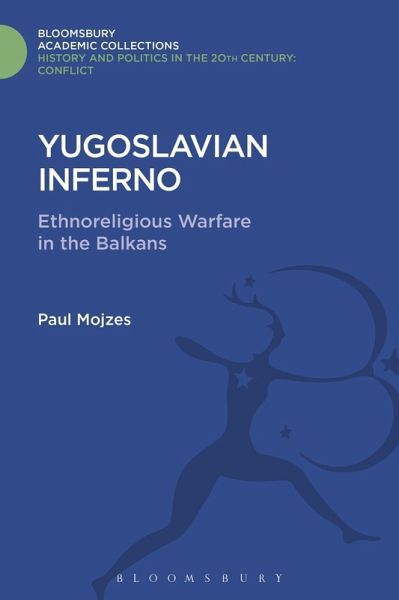
After the fall of communism in Eastern Europe, no-one was prepared for the violent dissolution of Yugoslavia. Suddenly old terms like chetnik and ustasha found new currency, and a new term surfaced - 'ethnic cleansing' - with its sickening echo of 'final solution'. The upsurge of nationalist sentiment in Eastern Europe raises the question whether the wars in the former Yugoslavia are harbingers of things to come. Will the racist idea of the ethnically pure state crush the humanist ideal of the multicultural society? Yugoslavian Inferno provides a rich analysis of the complex issues that…mehr
After the fall of communism in Eastern Europe, no-one was prepared for the violent dissolution of Yugoslavia. Suddenly old terms like chetnik and ustasha found new currency, and a new term surfaced - 'ethnic cleansing' - with its sickening echo of 'final solution'. The upsurge of nationalist sentiment in Eastern Europe raises the question whether the wars in the former Yugoslavia are harbingers of things to come. Will the racist idea of the ethnically pure state crush the humanist ideal of the multicultural society? Yugoslavian Inferno provides a rich analysis of the complex issues that brought about the demise of Yugoslavia and the ensuing fratricidal warfare. It pays particular attention to the role of religion in fanning the flames of interethnic hatred and is written by a scholar uniquely placed to write it. A Yugoslavian-American with roots in both Croatia and Serbia, whose religious tradition is Protestant, rather than Catholic, Orthodox, or Muslim, Paul Mojzes is an internationally recognized authority on religion in Eastern Europe. Based on travels in the region, interviews with politicians, scholars, and religious leaders, as well as news accounts and monographs in generally inaccessible languages, and formulated after a lifetime of scholarly achievement, Yugoslavian Inferno presents insights that only a native can provide and the critical objectivity that only an outsider can offer.
Die Herstellerinformationen sind derzeit nicht verfügbar.
Autorenporträt
Dr Paul Mojzes is Chair of the Religious Studies and Humanities Department at Rosemont College, Pennsylvania, USA. He is a native of Yugoslavia, educated at Belgrade University, Florida Southern College, and Boston University. He is the co-editor of the Journal of Ecumenical Studies and the editor of Occasional Papers on Religion in Eastern Europe. He is the author of Christian-Marxist Dialogue in Eastern Europe and editor of Varieties of Christian-Marxist Dialogue as well as the writer of numerous articles. He is a member of the United Methodist Church.
PAUL MOJZES is Professor of Religious Studies at Rosemont College, Rosemont, Pennsylvania.
Inhaltsangabe
Maps Guide to Pronunciation Introduction 1. NEVER AGAIN? Anticipating War The War Arrives What is This Warfare About? 2. MYTHO HYSTORY Serbs Croats Slovenes Bosnians and Herzegovinians Macedonians Montenegrins The Mythic Element Conclusions 3. THE DESTRUCTIVE USE OF MEMORY The Heritage of Horror Revenge and Spite Propaganda: Good Guys vs. Bad Guys Lies, Lies, Lies The Return of Primitivism The Locksmith Was Better 4. LAST CHANCE FOR A UNIFIED YUGOSLAVIA 5. THE UNRESOLVED NATIONAL QUESTION The Structural Problem The National Question on the First Yugoslavia The Titoist Approach to the National Question The Post Tito Resurrection of National Conflicts Nationalism Breaks Up the Communist Party of Yugoslavia Ethnic Nationalism as the New Order The Impact of Ethnic Nationalism 6. CIVIL WAR OR WAR BETWEEN COUNTRIES? Alternate Perceptions of the Conflict Overview of the Process of War Making Preliminary Skirmishes in Kosovo and Croatia War in Slovenia: A Fizzled 'Blitzkrieg' War in Croatia: The First Serb Croat War War in Bosnia and Herzegovina: The Bosnian Pot Boils Over War in Serbia? Bloodiest Yet? A Wider Balkan War? Conclusion 7. THE RELIGIOUS COMPONENT IN THE WARS Contribution of Religious Communities toward Hatred and War The Roman Catholic Contribution to Nationalism The Serbian Orthodox Role in the Disintegration of Yugoslavia Bosnian Muslims: Ethnoreligious Ambiguity Macedonian Orthodox Separatism Protestants: Inability to Withstand War Propaganda The Reconciling Role of Religious Communities Conclusion 8. WHO OR WHAT IS TO BLAME? The Unsolved National Question Politicians Intellectuals The Yugoslav Army War Criminals The Press and Media Religious Leadership Collective Responsibility The International Community To Sum Up 9. WILL UN SANCTIONS TOPPLE THE REGIME IN YUGOSLAVIA? 10. SLOVENIA AND MACEDONIA: A STUDY IN CONTRASTS The Slovenian Secession and War Economic Worries The Religious Factor in Slovenia The Macedonian Negotiated Secession The Role of Religion in Macedonia The Economic Afflictions Conclusion 11. CROATIA: NEITHER WAR NOR PEACE 12. ENDING THE WAR Domestic Alternatives to End the War Foreign Military Intervention My Proposal to End the War 13. AND THE WAR GOES ON Select Bibliography Index
Maps Guide to Pronunciation Introduction 1. NEVER AGAIN? Anticipating War The War Arrives What is This Warfare About? 2. MYTHO HYSTORY Serbs Croats Slovenes Bosnians and Herzegovinians Macedonians Montenegrins The Mythic Element Conclusions 3. THE DESTRUCTIVE USE OF MEMORY The Heritage of Horror Revenge and Spite Propaganda: Good Guys vs. Bad Guys Lies, Lies, Lies The Return of Primitivism The Locksmith Was Better 4. LAST CHANCE FOR A UNIFIED YUGOSLAVIA 5. THE UNRESOLVED NATIONAL QUESTION The Structural Problem The National Question on the First Yugoslavia The Titoist Approach to the National Question The Post Tito Resurrection of National Conflicts Nationalism Breaks Up the Communist Party of Yugoslavia Ethnic Nationalism as the New Order The Impact of Ethnic Nationalism 6. CIVIL WAR OR WAR BETWEEN COUNTRIES? Alternate Perceptions of the Conflict Overview of the Process of War Making Preliminary Skirmishes in Kosovo and Croatia War in Slovenia: A Fizzled 'Blitzkrieg' War in Croatia: The First Serb Croat War War in Bosnia and Herzegovina: The Bosnian Pot Boils Over War in Serbia? Bloodiest Yet? A Wider Balkan War? Conclusion 7. THE RELIGIOUS COMPONENT IN THE WARS Contribution of Religious Communities toward Hatred and War The Roman Catholic Contribution to Nationalism The Serbian Orthodox Role in the Disintegration of Yugoslavia Bosnian Muslims: Ethnoreligious Ambiguity Macedonian Orthodox Separatism Protestants: Inability to Withstand War Propaganda The Reconciling Role of Religious Communities Conclusion 8. WHO OR WHAT IS TO BLAME? The Unsolved National Question Politicians Intellectuals The Yugoslav Army War Criminals The Press and Media Religious Leadership Collective Responsibility The International Community To Sum Up 9. WILL UN SANCTIONS TOPPLE THE REGIME IN YUGOSLAVIA? 10. SLOVENIA AND MACEDONIA: A STUDY IN CONTRASTS The Slovenian Secession and War Economic Worries The Religious Factor in Slovenia The Macedonian Negotiated Secession The Role of Religion in Macedonia The Economic Afflictions Conclusion 11. CROATIA: NEITHER WAR NOR PEACE 12. ENDING THE WAR Domestic Alternatives to End the War Foreign Military Intervention My Proposal to End the War 13. AND THE WAR GOES ON Select Bibliography Index
Es gelten unsere Allgemeinen Geschäftsbedingungen: www.buecher.de/agb
Impressum
www.buecher.de ist ein Internetauftritt der buecher.de internetstores GmbH
Geschäftsführung: Monica Sawhney | Roland Kölbl | Günter Hilger
Sitz der Gesellschaft: Batheyer Straße 115 - 117, 58099 Hagen
Postanschrift: Bürgermeister-Wegele-Str. 12, 86167 Augsburg
Amtsgericht Hagen HRB 13257
Steuernummer: 321/5800/1497
USt-IdNr: DE450055826