26,99 €
inkl. MwSt.
Sofort per Download lieferbar
13 °P sammeln
Andere Kunden interessierten sich auch für
") Letters from a Stoic (MP3-Download)26,99 €
Letters from a Stoic (MP3-Download)26,99 €") 3500 Final Quotes (MP3-Download)19,99 €
3500 Final Quotes (MP3-Download)19,99 €") 500 Quotations from the Great Philosophers of the 19th Century (MP3-Download)8,49 €
500 Quotations from the Great Philosophers of the 19th Century (MP3-Download)8,49 €") 2000 Final Quotations (MP3-Download)12,99 €
2000 Final Quotations (MP3-Download)12,99 €") 600 Quotes from Political Philosophy (MP3-Download)8,49 €
600 Quotes from Political Philosophy (MP3-Download)8,49 €") Develop your General Culture in 1000 Quotes (MP3-Download)8,99 €
Develop your General Culture in 1000 Quotes (MP3-Download)8,99 €") 300 Quotations for Being Master of One's Destiny with the Existentialist Philosophers (MP3-Download)7,49 €
300 Quotations for Being Master of One's Destiny with the Existentialist Philosophers (MP3-Download)7,49 €


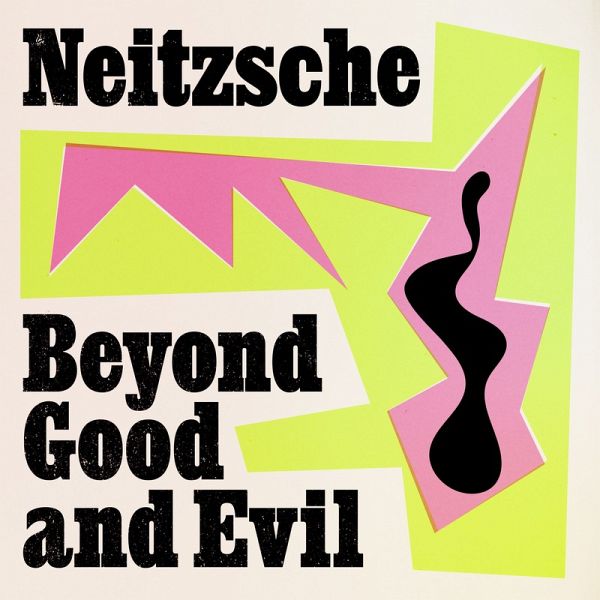
Friedrich Nietzsche's Beyond Good and Evil is one of the most influential philosophical texts of the 19th century and one of the most controversial works of ideology ever written. In it, Nietzsche mounts an uncompromising assault on the foundations of Western philosophy, attacking the notion of morality as nothing more than institutionalised weakness and criticising past philosophers for their unquestioning acceptance of moral and religious precepts. Rejecting the stale dichotomy of good versus evil, Nietzsche lays the groundwork for a new kind of philosophy, a philosophy of the future that embraces vitality, creativity, and emphasises self-determination and the desire to assert one's will over oneself and one's environment. Provocative and unsettling, Nietzsche's rejection of absolute morality and his call for a philosophy of the future reshaped existentialism, postmodernism, and critical theory, while inspiring generations of thinkers, artists, and revolutionaries. Friedrich Nietzsche (1844-1900) was a German philosopher and cultural critic known for his profound influence on modern thought. Born in Röcken, Prussia, he became a professor of classical philology at the University of Basel at the age of just twenty-four. Nietzsche's radical ideas challenge traditional beliefs, famously declaring "God is dead", while introducing concepts such as the Übermensch and eternal recurrence. His writings profoundly influenced existentialism, postmodernism and psychoanalysis, and he is celebrated as one of the most provocative and influential thinkers of modern philosophy.