5,49 €
5,49 €
inkl. MwSt.
Sofort per Download lieferbar

3 °P sammeln
5,49 €
Als Download kaufen
5,49 €
inkl. MwSt.
Sofort per Download lieferbar
3 °P sammeln
Jetzt verschenken
Alle Infos zum verschenken
5,49 €
inkl. MwSt.
Sofort per Download lieferbar
Alle Infos zum verschenken
3 °P sammeln
Andere Kunden interessierten sich auch für
") Death in Venice (MP3-Download)2,99 €
Death in Venice (MP3-Download)2,99 €") Dangerous (MP3-Download)30,99 €
Dangerous (MP3-Download)30,99 €") One Summer in Italy (MP3-Download)18,99 €
One Summer in Italy (MP3-Download)18,99 €") The Instrumentalist (MP3-Download)17,99 €
The Instrumentalist (MP3-Download)17,99 €") Murder in Venice (MP3-Download)17,99 €
Murder in Venice (MP3-Download)17,99 €") Mrs Kauffman and Madame Le Brun (MP3-Download)18,99 €
Mrs Kauffman and Madame Le Brun (MP3-Download)18,99 €") Inventing the Renaissance (MP3-Download)26,99 €
Inventing the Renaissance (MP3-Download)26,99 €





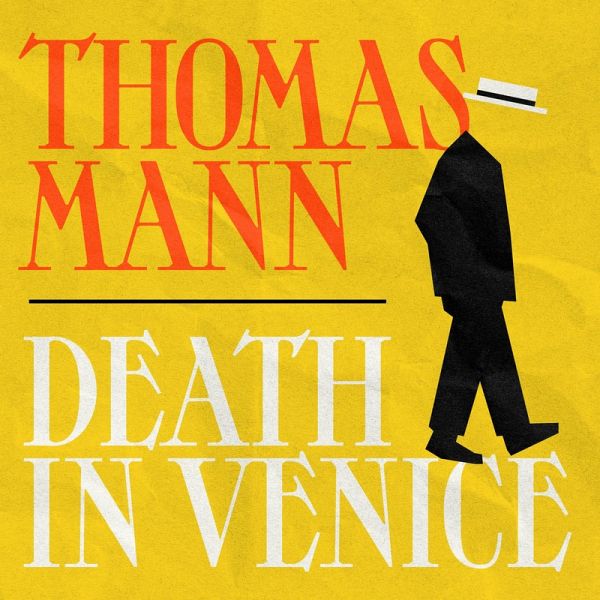
"The experience of death is bound up with the experience of beauty." First published in 1912, Thomas Mann's Death in Venice is a masterful meditation on art, desire, and the fatal allure of beauty. Gustav von Aschenbach, an ageing but successful writer renowned for the solemn dignity and asceticism of his work, travels to Venice seeking artistic inspiration – the first indulgence the fastidiously restrained author has allowed himself. Through the languid Venetian atmosphere and the peacefully rocking gondolas, Aschenbach is lured away from his rigid self-discipline as he falls into a deep and obsessive love with a beautiful young Polish boy named Tadzio, even though they never meet. As his infatuation deepens and the city wilts under the shadow of disease, Aschenbach's pursuit of the unattainable leads him into a tragic spiral of longing and loss. Thomas Mann (1875–1955) was a renowned German novelist, short story writer, and essayist, celebrated for his exploration of complex themes, his profound psychological insight, and critique of bourgeois society. Born into a wealthy trading family, he studied law and economics before turning to writing and had his major breakthrough with Buddenbrooks, which depicts the decline of a bourgeois family. International acclaim came with the publication of The Magic Mountain (1924), a philosophical novel set in a sanatorium that explores themes such as life, death, time and ideological conflict. His other notable works include Death in Venice (1912) and Doktor Faustus (1947). In 1929, he received the Nobel Prize for Literature in recognition of his significant contributions to German literature. Mann was politically active against fascism, leading him to leave Germany in 1933 due to the rise of the Nazi regime. He lived in Switzerland and later in the United States during World War II. Despite the challenges, he continued to write and became a prominent voice against totalitarianism.