26,99 €
inkl. MwSt.
Sofort per Download lieferbar
13 °P sammeln
Andere Kunden interessierten sich auch für
") Uncle's Dream (MP3-Download)0,49 €
Uncle's Dream (MP3-Download)0,49 €") The Permanent Husband (MP3-Download)32,99 €
The Permanent Husband (MP3-Download)32,99 €") The Dream of a Ridiculous Man (MP3-Download)16,99 €
The Dream of a Ridiculous Man (MP3-Download)16,99 €") Memoirs of a Fox-Hunting Man (MP3-Download)16,99 €
Memoirs of a Fox-Hunting Man (MP3-Download)16,99 €") The Shooting Party (MP3-Download)16,99 €
The Shooting Party (MP3-Download)16,99 €") A Child's Dream of a Star (MP3-Download)0,99 €
A Child's Dream of a Star (MP3-Download)0,99 €") Chasing a Highland Dream (MP3-Download)20,99 €
Chasing a Highland Dream (MP3-Download)20,99 €





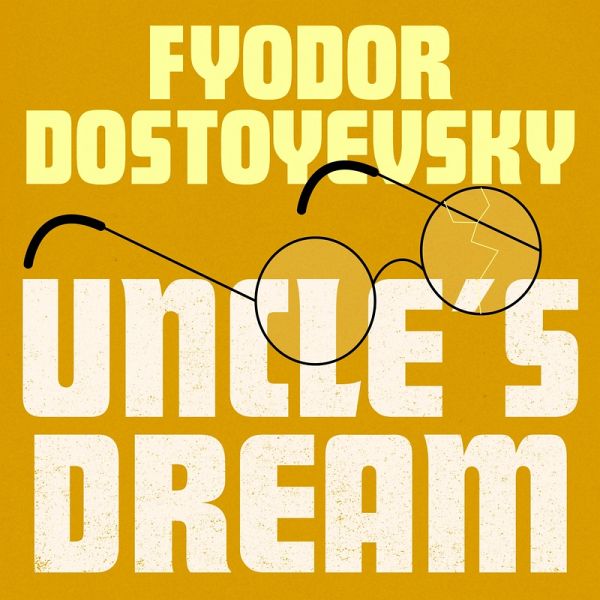
"In our society, everything is merged; everything has become a commonplace." Written during Dostoyevsky's exile in Siberia, Uncle's Dream (1859) is a rare foray into comedy; a witty and ironic portrayal of 19th century provincial society and its morals and human weaknesses. When the ageing Russian Prince K. arrives in the fictional small town of Mordasov, Marya Alexandrovna Moskaleva, the doyenne of local society, schemes to marry him to her daughter, Zina, in order to secure her future. But she has reckoned without the prince's failing memory and chaos ensues, revealing the absurdities of social ambition and the emptiness of societal norms. While comedic in nature, Uncle's Dream nonetheless possesses all the hallmarks of the author's philosophical and psychological insight into human folly and vanity and reflects his ongoing exploration of moral choices and the absurd situations arising from societal pressures. Fyodor Dostoyevsky was a Russian novelist, journalist, and short-story writer renowned for his profound explorations of psychology, morality, and the human condition. Born in Moscow, his tumultuous life was marked by early literary success and followed by arrest and exile due to his radical political activities. He is widely regarded as one of the world's finest novelists, penning classics that include Crime and Punishment, The Idiot, Demons, and The Brothers Karamazov. His work has had an immense influence on 20th-century fiction and his ideas have profoundly shaped literary modernism, existentialism, and various schools of psychology, theology, and literary criticism.