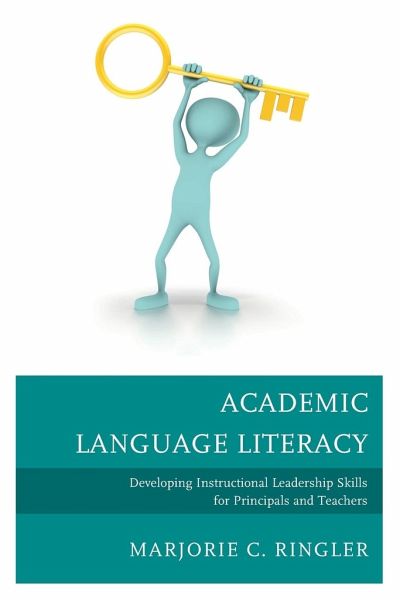
Marjorie C. Ringler
Academic Language Literacy
Developing Instructional Leadership Skills for Principals and Teachers
Marjorie C. Ringler
Academic Language Literacy
Developing Instructional Leadership Skills for Principals and Teachers
- Broschiertes Buch
- Merkliste
- Auf die Merkliste
- Bewerten Bewerten
- Teilen
- Produkt teilen
- Produkterinnerung
- Produkterinnerung
Typically mainstream classroom teachers and principals do not purchase books solely on academic language literacy because they see this as the domain of the ESL teacher. Academic Language Literacy infuses this knowledge through a three pronged approach (content, context, and process) to effective professional development.
Andere Kunden interessierten sich auch für
Kenneth P. MortimerArt and Politics of Academic Governance67,99 €
Jeong-Bae SonInsights into Digital Literacy in Language Teaching32,99 €
Literacy Enrichment and Technology Integration in Pre-Service Teacher Education164,99 €
Beyond the Academic Gateway64,99 €
Marci R. McmahonAdvancing Women in Academic STEM Fields through Dual Career Policies and Practices56,99 €
Timothy SibbaldThe Academic Gateway44,99 €
Level 1 - Pictures for Language and Literacy Support80,99 €-
-
-
Typically mainstream classroom teachers and principals do not purchase books solely on academic language literacy because they see this as the domain of the ESL teacher. Academic Language Literacy infuses this knowledge through a three pronged approach (content, context, and process) to effective professional development.
Produktdetails
- Produktdetails
- Verlag: Rowman & Littlefield Publishers
- Seitenzahl: 126
- Erscheinungstermin: 9. Juni 2015
- Englisch
- Abmessung: 229mm x 152mm x 7mm
- Gewicht: 195g
- ISBN-13: 9781475811094
- ISBN-10: 1475811098
- Artikelnr.: 42402793
- Herstellerkennzeichnung
- Libri GmbH
- Europaallee 1
- 36244 Bad Hersfeld
- gpsr@libri.de
- Verlag: Rowman & Littlefield Publishers
- Seitenzahl: 126
- Erscheinungstermin: 9. Juni 2015
- Englisch
- Abmessung: 229mm x 152mm x 7mm
- Gewicht: 195g
- ISBN-13: 9781475811094
- ISBN-10: 1475811098
- Artikelnr.: 42402793
- Herstellerkennzeichnung
- Libri GmbH
- Europaallee 1
- 36244 Bad Hersfeld
- gpsr@libri.de
Marjorie C. Ringler
Contents
Preface
Chapter 1. Effective Professional Development: A Three-Prong Approach
Introduction
Content: Academic Language Matters
Conventions of Standard EnglishFeatures of Academic LanguageSo what is
Academic Language?Context: Creating Chief Education Officers (CEOs)
Am I a CEO or do I need to work on this?Process: Job Embedded Coaching and
Collaboration
Phase One: Preparation and PlanningPhase Two: Implementation and
ReflectionPhase Three: Capacity BuildingSummary
Chapter 2. Content: What Comprises Academic Language Literacy (ALL)?
Introduction
Components of Academic Language
Process/Function WordsMorphologyContent Specific VocabularyWho needs
Academic Language Literacy?
Group #1. Native Speakers of English or Standard English Learners
(SELs)Group #2. English Language Learners (ELLs)How do we deliver Academic
language Instruction?
An Overview of SIOP, CHATS and Six-Steps
Connecting the Dots: How do these three models overlap?
Summary
Chapter 3. Content: Specific Strategies for Academic Language Literacy
Introduction
Strategies for a Linguistically Diverse Classroom
Academic Language Learning Strategies
Vocabulary buildingFour squarePersonal dictionariesModified word
wallsShades of meaningRest in Peace (RIP)Using MorphologyReading and
Writing StrategiesSentence FramesParagraph FrameHOTS StrategyBricks and
MortarHierarchical Tree MapSplit page note takingGraphic organizers for
note-taking or Deciphering textGraphic Organizer for Concept
DefinitionError Correction ManualSummary
Chapter 4. Context: Creating Chief Educational Officers (CEOs)
Introduction
Planning Professional Development that Impacts Instruction and Learning
Professional Development and Levels of Implementation
Professional Development and Sustainability
Booking Agent vs. CEO
CEO and School Change
Principal as CEO
School University Partnerships
Partnering for School Change Characteristics of Effective School University
PartnershipsCommon GoalStakeholdersBuy inCreating a Learning CommunityLong
term Commitment to Professional Development Summary
Chapter 5. Implementation of Sustainable Professional Development
Introduction
Phase 1: Preparation and Planning
Collaborate with experts of ALL and professional developmentSelect CEO team
participantsClarify professional development outcomesOrganizing monthly
expectationsPhase 2: Implementation and Reflection
Phase 3: Capacity Building
Note from the authors
Summary
Chapter 6. Visualizing Change
Introduction
Project CEO Summary
Participants and Professional Development: Tyrrell County
Professional Development Flexibility
Accomplishments and Outcomes
Teachers' voices
Students' voices
Principals' voices
Summary
Author's note
Preface
Chapter 1. Effective Professional Development: A Three-Prong Approach
Introduction
Content: Academic Language Matters
Conventions of Standard EnglishFeatures of Academic LanguageSo what is
Academic Language?Context: Creating Chief Education Officers (CEOs)
Am I a CEO or do I need to work on this?Process: Job Embedded Coaching and
Collaboration
Phase One: Preparation and PlanningPhase Two: Implementation and
ReflectionPhase Three: Capacity BuildingSummary
Chapter 2. Content: What Comprises Academic Language Literacy (ALL)?
Introduction
Components of Academic Language
Process/Function WordsMorphologyContent Specific VocabularyWho needs
Academic Language Literacy?
Group #1. Native Speakers of English or Standard English Learners
(SELs)Group #2. English Language Learners (ELLs)How do we deliver Academic
language Instruction?
An Overview of SIOP, CHATS and Six-Steps
Connecting the Dots: How do these three models overlap?
Summary
Chapter 3. Content: Specific Strategies for Academic Language Literacy
Introduction
Strategies for a Linguistically Diverse Classroom
Academic Language Learning Strategies
Vocabulary buildingFour squarePersonal dictionariesModified word
wallsShades of meaningRest in Peace (RIP)Using MorphologyReading and
Writing StrategiesSentence FramesParagraph FrameHOTS StrategyBricks and
MortarHierarchical Tree MapSplit page note takingGraphic organizers for
note-taking or Deciphering textGraphic Organizer for Concept
DefinitionError Correction ManualSummary
Chapter 4. Context: Creating Chief Educational Officers (CEOs)
Introduction
Planning Professional Development that Impacts Instruction and Learning
Professional Development and Levels of Implementation
Professional Development and Sustainability
Booking Agent vs. CEO
CEO and School Change
Principal as CEO
School University Partnerships
Partnering for School Change Characteristics of Effective School University
PartnershipsCommon GoalStakeholdersBuy inCreating a Learning CommunityLong
term Commitment to Professional Development Summary
Chapter 5. Implementation of Sustainable Professional Development
Introduction
Phase 1: Preparation and Planning
Collaborate with experts of ALL and professional developmentSelect CEO team
participantsClarify professional development outcomesOrganizing monthly
expectationsPhase 2: Implementation and Reflection
Phase 3: Capacity Building
Note from the authors
Summary
Chapter 6. Visualizing Change
Introduction
Project CEO Summary
Participants and Professional Development: Tyrrell County
Professional Development Flexibility
Accomplishments and Outcomes
Teachers' voices
Students' voices
Principals' voices
Summary
Author's note
Contents
Preface
Chapter 1. Effective Professional Development: A Three-Prong Approach
Introduction
Content: Academic Language Matters
Conventions of Standard EnglishFeatures of Academic LanguageSo what is
Academic Language?Context: Creating Chief Education Officers (CEOs)
Am I a CEO or do I need to work on this?Process: Job Embedded Coaching and
Collaboration
Phase One: Preparation and PlanningPhase Two: Implementation and
ReflectionPhase Three: Capacity BuildingSummary
Chapter 2. Content: What Comprises Academic Language Literacy (ALL)?
Introduction
Components of Academic Language
Process/Function WordsMorphologyContent Specific VocabularyWho needs
Academic Language Literacy?
Group #1. Native Speakers of English or Standard English Learners
(SELs)Group #2. English Language Learners (ELLs)How do we deliver Academic
language Instruction?
An Overview of SIOP, CHATS and Six-Steps
Connecting the Dots: How do these three models overlap?
Summary
Chapter 3. Content: Specific Strategies for Academic Language Literacy
Introduction
Strategies for a Linguistically Diverse Classroom
Academic Language Learning Strategies
Vocabulary buildingFour squarePersonal dictionariesModified word
wallsShades of meaningRest in Peace (RIP)Using MorphologyReading and
Writing StrategiesSentence FramesParagraph FrameHOTS StrategyBricks and
MortarHierarchical Tree MapSplit page note takingGraphic organizers for
note-taking or Deciphering textGraphic Organizer for Concept
DefinitionError Correction ManualSummary
Chapter 4. Context: Creating Chief Educational Officers (CEOs)
Introduction
Planning Professional Development that Impacts Instruction and Learning
Professional Development and Levels of Implementation
Professional Development and Sustainability
Booking Agent vs. CEO
CEO and School Change
Principal as CEO
School University Partnerships
Partnering for School Change Characteristics of Effective School University
PartnershipsCommon GoalStakeholdersBuy inCreating a Learning CommunityLong
term Commitment to Professional Development Summary
Chapter 5. Implementation of Sustainable Professional Development
Introduction
Phase 1: Preparation and Planning
Collaborate with experts of ALL and professional developmentSelect CEO team
participantsClarify professional development outcomesOrganizing monthly
expectationsPhase 2: Implementation and Reflection
Phase 3: Capacity Building
Note from the authors
Summary
Chapter 6. Visualizing Change
Introduction
Project CEO Summary
Participants and Professional Development: Tyrrell County
Professional Development Flexibility
Accomplishments and Outcomes
Teachers' voices
Students' voices
Principals' voices
Summary
Author's note
Preface
Chapter 1. Effective Professional Development: A Three-Prong Approach
Introduction
Content: Academic Language Matters
Conventions of Standard EnglishFeatures of Academic LanguageSo what is
Academic Language?Context: Creating Chief Education Officers (CEOs)
Am I a CEO or do I need to work on this?Process: Job Embedded Coaching and
Collaboration
Phase One: Preparation and PlanningPhase Two: Implementation and
ReflectionPhase Three: Capacity BuildingSummary
Chapter 2. Content: What Comprises Academic Language Literacy (ALL)?
Introduction
Components of Academic Language
Process/Function WordsMorphologyContent Specific VocabularyWho needs
Academic Language Literacy?
Group #1. Native Speakers of English or Standard English Learners
(SELs)Group #2. English Language Learners (ELLs)How do we deliver Academic
language Instruction?
An Overview of SIOP, CHATS and Six-Steps
Connecting the Dots: How do these three models overlap?
Summary
Chapter 3. Content: Specific Strategies for Academic Language Literacy
Introduction
Strategies for a Linguistically Diverse Classroom
Academic Language Learning Strategies
Vocabulary buildingFour squarePersonal dictionariesModified word
wallsShades of meaningRest in Peace (RIP)Using MorphologyReading and
Writing StrategiesSentence FramesParagraph FrameHOTS StrategyBricks and
MortarHierarchical Tree MapSplit page note takingGraphic organizers for
note-taking or Deciphering textGraphic Organizer for Concept
DefinitionError Correction ManualSummary
Chapter 4. Context: Creating Chief Educational Officers (CEOs)
Introduction
Planning Professional Development that Impacts Instruction and Learning
Professional Development and Levels of Implementation
Professional Development and Sustainability
Booking Agent vs. CEO
CEO and School Change
Principal as CEO
School University Partnerships
Partnering for School Change Characteristics of Effective School University
PartnershipsCommon GoalStakeholdersBuy inCreating a Learning CommunityLong
term Commitment to Professional Development Summary
Chapter 5. Implementation of Sustainable Professional Development
Introduction
Phase 1: Preparation and Planning
Collaborate with experts of ALL and professional developmentSelect CEO team
participantsClarify professional development outcomesOrganizing monthly
expectationsPhase 2: Implementation and Reflection
Phase 3: Capacity Building
Note from the authors
Summary
Chapter 6. Visualizing Change
Introduction
Project CEO Summary
Participants and Professional Development: Tyrrell County
Professional Development Flexibility
Accomplishments and Outcomes
Teachers' voices
Students' voices
Principals' voices
Summary
Author's note