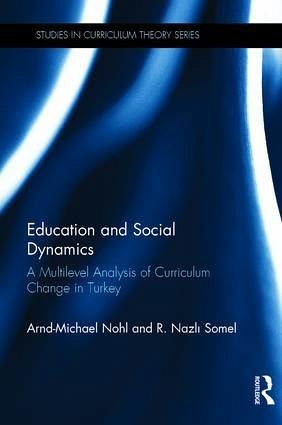
Arnd-Michael Nohl, R. Nazl¿ Somel
Education and Social Dynamics
A Multilevel Analysis of Curriculum Change in Turkey
Arnd-Michael Nohl, R. Nazl¿ Somel
Education and Social Dynamics
A Multilevel Analysis of Curriculum Change in Turkey
- Gebundenes Buch
- Merkliste
- Auf die Merkliste
- Bewerten Bewerten
- Teilen
- Produkt teilen
- Produkterinnerung
- Produkterinnerung
Education and Social Dynamics offers a new approach to analyzing curriculum change by investigating the entanglement of education and society in markedly heterogeneous Turkey, which has recently witnessed nation-wide curriculum reforms.
Andere Kunden interessierten sich auch für
Arnd-Michael NohlEducation and Social Dynamics39,99 €
Social Studies Education in South and South East Asian Contexts169,99 €
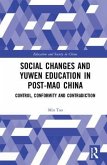
Min TaoSocial Changes and Yuwen Education in Post-Mao China169,99 €
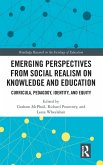
Emerging Perspectives from Social Realism on Knowledge and Education171,99 €
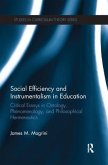
James M. MagriniSocial Efficiency and Instrumentalism in Education51,99 €
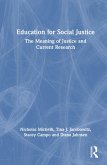
Nicholas M. MichelliEducation for Social Justice173,99 €
James M. MagriniSocial Efficiency and Instrumentalism in Education190,99 €-
-
-
Education and Social Dynamics offers a new approach to analyzing curriculum change by investigating the entanglement of education and society in markedly heterogeneous Turkey, which has recently witnessed nation-wide curriculum reforms.
Produktdetails
- Produktdetails
- Verlag: Routledge
- Seitenzahl: 298
- Erscheinungstermin: 9. September 2015
- Englisch
- Abmessung: 235mm x 157mm x 21mm
- Gewicht: 585g
- ISBN-13: 9781138903494
- ISBN-10: 1138903493
- Artikelnr.: 42698141
- Herstellerkennzeichnung
- Libri GmbH
- Europaallee 1
- 36244 Bad Hersfeld
- gpsr@libri.de
- Verlag: Routledge
- Seitenzahl: 298
- Erscheinungstermin: 9. September 2015
- Englisch
- Abmessung: 235mm x 157mm x 21mm
- Gewicht: 585g
- ISBN-13: 9781138903494
- ISBN-10: 1138903493
- Artikelnr.: 42698141
- Herstellerkennzeichnung
- Libri GmbH
- Europaallee 1
- 36244 Bad Hersfeld
- gpsr@libri.de
Arnd-Michael Nohl is Professor of Education at Helmut-Schmidt-Universität, Germany. R. Nazl¿ Somel is a PhD student at Helmut-Schmidt-Universität, Germany.
Preface
1. Introduction
2. Education and Social Change in Turkish History
2.1 What is Social and Educational Change?
2.2 The Formation of the Educational Sector in the Ottoman Empire
2.3 The Expansion and Differentiation of Laicist Education in Modern Turkey
2.4 Society and Education from 1980 to 2003
2.5 Change and Primary Education
3. The Curriculum Making
3.1 Studying Curriculum Change: Theoretical and Methodological
Considerations
3.2 Organizing a New Curriculum
3.3 The New Curriculum's Approach
3.4 Preliminary Conclusions
4. Divergent Curricular Practices of Organizational Milieus: Teachers'
Professional Generations
4.1 Analyzing Curricular Practices
4.2 The generation of experienced teachers
4.3 Novices and the curriculum
4.4 The intermediary position between generations
4.5 Distribution of Teachers and Schools' Prestige
5. Instruction and inequality between schools
5.1 Social milieu, school organization, and resources: theoretical
considerations
5.2 Prestigious schools with middle-class milieus
5.3 A maximal contrast: Instruction in a poor district of Istanbul
5.4 Rural schools with poor milieus
5.5 Reciprocally Amplifying Resources in Instruction Practices
6. The new curriculum in competition with other institutionalized
expectations
6.1 Institutionalizing the new curriculum
6.2 The informal institutionalization of standardized tests
6.3 The competitive combination of loosely and tightly coupled institutions
7. Conclusion: Change, education, and society
Appendix
Overview of the Turkish school system
Overview of expert interviews
Rules of Transcription
1. Introduction
2. Education and Social Change in Turkish History
2.1 What is Social and Educational Change?
2.2 The Formation of the Educational Sector in the Ottoman Empire
2.3 The Expansion and Differentiation of Laicist Education in Modern Turkey
2.4 Society and Education from 1980 to 2003
2.5 Change and Primary Education
3. The Curriculum Making
3.1 Studying Curriculum Change: Theoretical and Methodological
Considerations
3.2 Organizing a New Curriculum
3.3 The New Curriculum's Approach
3.4 Preliminary Conclusions
4. Divergent Curricular Practices of Organizational Milieus: Teachers'
Professional Generations
4.1 Analyzing Curricular Practices
4.2 The generation of experienced teachers
4.3 Novices and the curriculum
4.4 The intermediary position between generations
4.5 Distribution of Teachers and Schools' Prestige
5. Instruction and inequality between schools
5.1 Social milieu, school organization, and resources: theoretical
considerations
5.2 Prestigious schools with middle-class milieus
5.3 A maximal contrast: Instruction in a poor district of Istanbul
5.4 Rural schools with poor milieus
5.5 Reciprocally Amplifying Resources in Instruction Practices
6. The new curriculum in competition with other institutionalized
expectations
6.1 Institutionalizing the new curriculum
6.2 The informal institutionalization of standardized tests
6.3 The competitive combination of loosely and tightly coupled institutions
7. Conclusion: Change, education, and society
Appendix
Overview of the Turkish school system
Overview of expert interviews
Rules of Transcription
Preface
1. Introduction
2. Education and Social Change in Turkish History
2.1 What is Social and Educational Change?
2.2 The Formation of the Educational Sector in the Ottoman Empire
2.3 The Expansion and Differentiation of Laicist Education in Modern Turkey
2.4 Society and Education from 1980 to 2003
2.5 Change and Primary Education
3. The Curriculum Making
3.1 Studying Curriculum Change: Theoretical and Methodological
Considerations
3.2 Organizing a New Curriculum
3.3 The New Curriculum's Approach
3.4 Preliminary Conclusions
4. Divergent Curricular Practices of Organizational Milieus: Teachers'
Professional Generations
4.1 Analyzing Curricular Practices
4.2 The generation of experienced teachers
4.3 Novices and the curriculum
4.4 The intermediary position between generations
4.5 Distribution of Teachers and Schools' Prestige
5. Instruction and inequality between schools
5.1 Social milieu, school organization, and resources: theoretical
considerations
5.2 Prestigious schools with middle-class milieus
5.3 A maximal contrast: Instruction in a poor district of Istanbul
5.4 Rural schools with poor milieus
5.5 Reciprocally Amplifying Resources in Instruction Practices
6. The new curriculum in competition with other institutionalized
expectations
6.1 Institutionalizing the new curriculum
6.2 The informal institutionalization of standardized tests
6.3 The competitive combination of loosely and tightly coupled institutions
7. Conclusion: Change, education, and society
Appendix
Overview of the Turkish school system
Overview of expert interviews
Rules of Transcription
1. Introduction
2. Education and Social Change in Turkish History
2.1 What is Social and Educational Change?
2.2 The Formation of the Educational Sector in the Ottoman Empire
2.3 The Expansion and Differentiation of Laicist Education in Modern Turkey
2.4 Society and Education from 1980 to 2003
2.5 Change and Primary Education
3. The Curriculum Making
3.1 Studying Curriculum Change: Theoretical and Methodological
Considerations
3.2 Organizing a New Curriculum
3.3 The New Curriculum's Approach
3.4 Preliminary Conclusions
4. Divergent Curricular Practices of Organizational Milieus: Teachers'
Professional Generations
4.1 Analyzing Curricular Practices
4.2 The generation of experienced teachers
4.3 Novices and the curriculum
4.4 The intermediary position between generations
4.5 Distribution of Teachers and Schools' Prestige
5. Instruction and inequality between schools
5.1 Social milieu, school organization, and resources: theoretical
considerations
5.2 Prestigious schools with middle-class milieus
5.3 A maximal contrast: Instruction in a poor district of Istanbul
5.4 Rural schools with poor milieus
5.5 Reciprocally Amplifying Resources in Instruction Practices
6. The new curriculum in competition with other institutionalized
expectations
6.1 Institutionalizing the new curriculum
6.2 The informal institutionalization of standardized tests
6.3 The competitive combination of loosely and tightly coupled institutions
7. Conclusion: Change, education, and society
Appendix
Overview of the Turkish school system
Overview of expert interviews
Rules of Transcription