- Gebundenes Buch
- Merkliste
- Auf die Merkliste
- Bewerten Bewerten
- Teilen
- Produkt teilen
- Produkterinnerung
- Produkterinnerung
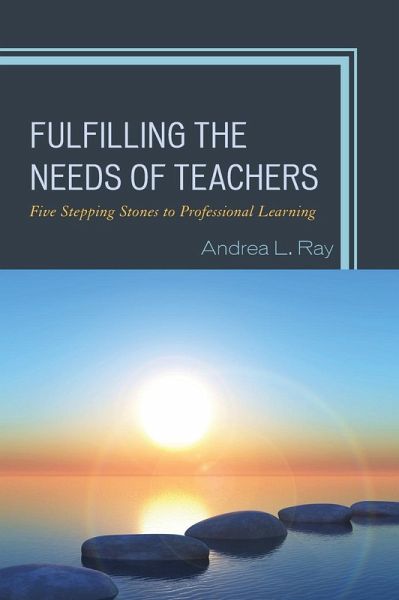
This book guides educators through a five-step process for creating design tasks.
Andere Kunden interessierten sich auch für
Getting the Teachers We Need72,99 €
Getting the Teachers We Need40,99 €
Katie AlanizLearning Community Built on Strengths32,99 €
Katie AlanizLearning Community Built on Strengths70,99 €
Preparing Agriculture and Agriscience Educators for the Classroom155,99 €
Nancy F. Dana (Fichtman)The Reflective Educators Guide to Mentoring31,99 €
Preparing Agriculture and Agriscience Educators for the Classroom198,99 €-
-
-
This book guides educators through a five-step process for creating design tasks.
Produktdetails
- Produktdetails
- Verlag: Rowman & Littlefield Publishers
- Seitenzahl: 292
- Erscheinungstermin: 18. Juni 2018
- Englisch
- Abmessung: 260mm x 183mm x 20mm
- Gewicht: 748g
- ISBN-13: 9781475834994
- ISBN-10: 1475834993
- Artikelnr.: 51767156
- Herstellerkennzeichnung
- Libri GmbH
- Europaallee 1
- 36244 Bad Hersfeld
- gpsr@libri.de
- Verlag: Rowman & Littlefield Publishers
- Seitenzahl: 292
- Erscheinungstermin: 18. Juni 2018
- Englisch
- Abmessung: 260mm x 183mm x 20mm
- Gewicht: 748g
- ISBN-13: 9781475834994
- ISBN-10: 1475834993
- Artikelnr.: 51767156
- Herstellerkennzeichnung
- Libri GmbH
- Europaallee 1
- 36244 Bad Hersfeld
- gpsr@libri.de
Andrea L. Ray is a visionary in professional learning design. She believes passionately in the power of teachers to prepare children for future roles that do not yet exist.
Dedication
Epigraph
Foreword
Preface
Acknowledgement
Introduction
Part One: The Big Picture
1: Stopping the Insanity
2: Making Existing Models Obsolete
3: What Nobody Has Thought Yet
4: Providing Conditions for Learning
Part Two: Classroom-Centered Tasks
5: Selecting Entry Points
6: Personalizing Professional Learning
7: Determining Best Fit
Part Three: Learning-Centered Tasks
8: Reinforcing Resiliency
9: Beyond What You Have Mastered
10: The Other Side of Fear
Part Four: Understanding-Centered Tasks
11: Influencing Teachers' Emotions
12: Seeing Where You Have Been
13: Testing What You Think You Know
Part Five: Progress-Centered Tasks
14: Fulfilling Teachers' Needs
15: Moving Closer to the Truth
16: Imposing a Coherence of Their Own
Part Six: Influencing Teachers' Emotions (An Excerpt)
17: Unleashing a New Form of Energy
Appendices
A: Identifying and Defining Connections
B: Selecting Focal Points
C: Developing Instructional Goals
D: Linking Students' Learning Outcomes to Teachers' Professional Learning
E: Measuring Teachers' Sense of Efficacy
F: The Geneva Emotion Wheel
G: Teacher Motivation for Professional Development
Glossary
About the Author

Epigraph
Foreword
Preface
Acknowledgement
Introduction
Part One: The Big Picture
1: Stopping the Insanity
2: Making Existing Models Obsolete
3: What Nobody Has Thought Yet
4: Providing Conditions for Learning
Part Two: Classroom-Centered Tasks
5: Selecting Entry Points
6: Personalizing Professional Learning
7: Determining Best Fit
Part Three: Learning-Centered Tasks
8: Reinforcing Resiliency
9: Beyond What You Have Mastered
10: The Other Side of Fear
Part Four: Understanding-Centered Tasks
11: Influencing Teachers' Emotions
12: Seeing Where You Have Been
13: Testing What You Think You Know
Part Five: Progress-Centered Tasks
14: Fulfilling Teachers' Needs
15: Moving Closer to the Truth
16: Imposing a Coherence of Their Own
Part Six: Influencing Teachers' Emotions (An Excerpt)
17: Unleashing a New Form of Energy
Appendices
A: Identifying and Defining Connections
B: Selecting Focal Points
C: Developing Instructional Goals
D: Linking Students' Learning Outcomes to Teachers' Professional Learning
E: Measuring Teachers' Sense of Efficacy
F: The Geneva Emotion Wheel
G: Teacher Motivation for Professional Development
Glossary
About the Author
Dedication
Epigraph
Foreword
Preface
Acknowledgement
Introduction
Part One: The Big Picture
1: Stopping the Insanity
2: Making Existing Models Obsolete
3: What Nobody Has Thought Yet
4: Providing Conditions for Learning
Part Two: Classroom-Centered Tasks
5: Selecting Entry Points
6: Personalizing Professional Learning
7: Determining Best Fit
Part Three: Learning-Centered Tasks
8: Reinforcing Resiliency
9: Beyond What You Have Mastered
10: The Other Side of Fear
Part Four: Understanding-Centered Tasks
11: Influencing Teachers' Emotions
12: Seeing Where You Have Been
13: Testing What You Think You Know
Part Five: Progress-Centered Tasks
14: Fulfilling Teachers' Needs
15: Moving Closer to the Truth
16: Imposing a Coherence of Their Own
Part Six: Influencing Teachers' Emotions (An Excerpt)
17: Unleashing a New Form of Energy
Appendices
A: Identifying and Defining Connections
B: Selecting Focal Points
C: Developing Instructional Goals
D: Linking Students' Learning Outcomes to Teachers' Professional Learning
E: Measuring Teachers' Sense of Efficacy
F: The Geneva Emotion Wheel
G: Teacher Motivation for Professional Development
Glossary
About the Author
Epigraph
Foreword
Preface
Acknowledgement
Introduction
Part One: The Big Picture
1: Stopping the Insanity
2: Making Existing Models Obsolete
3: What Nobody Has Thought Yet
4: Providing Conditions for Learning
Part Two: Classroom-Centered Tasks
5: Selecting Entry Points
6: Personalizing Professional Learning
7: Determining Best Fit
Part Three: Learning-Centered Tasks
8: Reinforcing Resiliency
9: Beyond What You Have Mastered
10: The Other Side of Fear
Part Four: Understanding-Centered Tasks
11: Influencing Teachers' Emotions
12: Seeing Where You Have Been
13: Testing What You Think You Know
Part Five: Progress-Centered Tasks
14: Fulfilling Teachers' Needs
15: Moving Closer to the Truth
16: Imposing a Coherence of Their Own
Part Six: Influencing Teachers' Emotions (An Excerpt)
17: Unleashing a New Form of Energy
Appendices
A: Identifying and Defining Connections
B: Selecting Focal Points
C: Developing Instructional Goals
D: Linking Students' Learning Outcomes to Teachers' Professional Learning
E: Measuring Teachers' Sense of Efficacy
F: The Geneva Emotion Wheel
G: Teacher Motivation for Professional Development
Glossary
About the Author