- Broschiertes Buch
- Merkliste
- Auf die Merkliste
- Bewerten Bewerten
- Teilen
- Produkt teilen
- Produkterinnerung
- Produkterinnerung
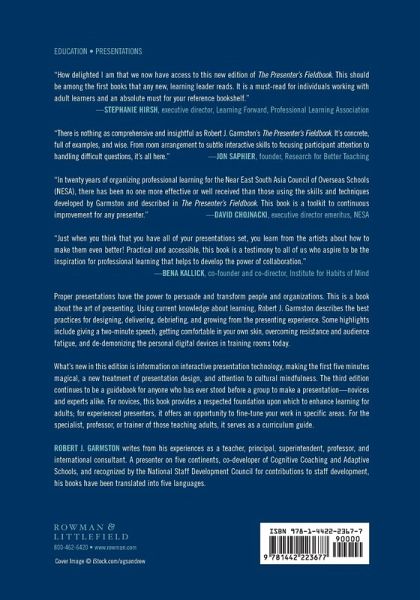
Proper presentations have the power to persuade and transform people and organizations. This is a book about the art of presenting.
Andere Kunden interessierten sich auch für
Averil BolsterAcademic Presenting and Presentations12,90 €
Peter LevraiAcademic Presenting and Presentations18,90 €
Paul A. ElsnerCommunity Building22,99 €
Patrick RiceEquity, From the Boardroom to the Classroom41,99 €
Louis J. PepeProblem-Solving Today63,99 €
Doug Campbell200 Communication Commandments73,99 €
Alex MolnarSold Out45,99 €-
-
-
Proper presentations have the power to persuade and transform people and organizations. This is a book about the art of presenting.
Produktdetails
- Produktdetails
- Verlag: Rowman & Littlefield Publishers
- Third Edition
- Seitenzahl: 204
- Erscheinungstermin: 1. Februar 2018
- Englisch
- Abmessung: 254mm x 178mm x 11mm
- Gewicht: 395g
- ISBN-13: 9781442223677
- ISBN-10: 1442223677
- Artikelnr.: 48893841
- Herstellerkennzeichnung
- Libri GmbH
- Europaallee 1
- 36244 Bad Hersfeld
- gpsr@libri.de
- Verlag: Rowman & Littlefield Publishers
- Third Edition
- Seitenzahl: 204
- Erscheinungstermin: 1. Februar 2018
- Englisch
- Abmessung: 254mm x 178mm x 11mm
- Gewicht: 395g
- ISBN-13: 9781442223677
- ISBN-10: 1442223677
- Artikelnr.: 48893841
- Herstellerkennzeichnung
- Libri GmbH
- Europaallee 1
- 36244 Bad Hersfeld
- gpsr@libri.de
Robert J. Garmston, Ed.D is an Emeritus Professor of Educational Administration at California State University, Sacramento, Co-Developer of Cognitive Coaching with Dr. Arthur Costa, and Co-Developer of Adaptive Schools with Dr. Bruce Wellman. He has served as a classroom teacher, resource teacher, principal, director of instruction and acting superintendent in Northern California Schools and principal in Saudi Arabia. Bob has co-authored a dozen books including Cognitive Coaching: A Foundation for Renaissance Schools.
Preface to the Third Edition
How to Read this Book
Acknowledgments
PART I: MAKING A DIFFFERENCE
Chapter 1:To Midwife a Renaissance
Teach to Transform
Be a Guide
Speak to Four Audiences
Engage Internal Resources
Chapter 2: Fostering Efficacy, and Cultural Mindfulness
Empowering Audiences
Making Your Presentation a Gift
Cultural Mindfulness
PART II EVENT DESIGN
Chapter 3: Developing A Designer's Mind
Who's Coming?
Aims, Outcomes, and Goals
Chapter 4: Selecting Content and Interactions
Ratio of Content to Process Time
How Will the Audience Connect With the Content?
An Information Learning Cycle
Chapter 5: Save Planning Time
Nine Presentation Containers
The Two-Minute Speech
Which Container Might You Use?
Chapter 6: Before the Opening
Presentation as Theatre
Setting the Mood With Music
Taking Care of You & Confidence
PART III ON YOUR FEET
Chapter 7: Agendas and Openings
The Public Agenda
Your Personal Agenda
How to Open
Rapport is First
Chapter 8: Giving Clear Directions
The First Three Principles
Beyond the Basics
Mentally Rehearse
Chapter 9: Delivering Your Message with Humor
Dos and Don'ts of Humor
Why People Laugh
Chapter 10: Responding to Questions
Personal Pause Time
Be Strategic
Response Criteria
Research on Presenter Responses
Chapter 11: Closing Memorably
PART IV MOVING BEYOND THE ORDINARY
Chapter 12: Anticipating Challenges
How to Maintain Momentum Even in Slow Downs
Eight Strategies to Keep Your Audience Tuned In
Keeping Awake and Learning After Lunch
Chapter 13: The Art and Science of Nonverbal Skills
In the Beginning
The Brain and Body
The First Five Minutes
Chapter 14: Brilliantly Co-Present Your First Event
Understanding Co-Presenting
Five Forms
Foundations
Taking the Platform
Chapter 15: Creating Graphics With Ease and Confidence
How To See What You Are Looking At
"Suggestionism"
Considering Design
Not Just Taking Up Space
Lettering and Color
The Process of "Un-Naming"
Some Basic Visual Display Formats
Chapter 16: Using Presentation Technology
PowerPoint Tips
Perils and Prizes of Presentation Technology
PART V POST SCRIPT AND APPENDICES
Why Cats Have Clean Paws: The Myths of Feedback
Appendix A: Sample Client Materials List
Appendix B: Room Arrangement
References
About the Authors
**Free Study Guide Available at
https://rowman.com/ISBN/9781442223684/The-Presenter's-Fieldbook-A-Practical-Guide-3rd-Edition#
How to Read this Book
Acknowledgments
PART I: MAKING A DIFFFERENCE
Chapter 1:To Midwife a Renaissance
Teach to Transform
Be a Guide
Speak to Four Audiences
Engage Internal Resources
Chapter 2: Fostering Efficacy, and Cultural Mindfulness
Empowering Audiences
Making Your Presentation a Gift
Cultural Mindfulness
PART II EVENT DESIGN
Chapter 3: Developing A Designer's Mind
Who's Coming?
Aims, Outcomes, and Goals
Chapter 4: Selecting Content and Interactions
Ratio of Content to Process Time
How Will the Audience Connect With the Content?
An Information Learning Cycle
Chapter 5: Save Planning Time
Nine Presentation Containers
The Two-Minute Speech
Which Container Might You Use?
Chapter 6: Before the Opening
Presentation as Theatre
Setting the Mood With Music
Taking Care of You & Confidence
PART III ON YOUR FEET
Chapter 7: Agendas and Openings
The Public Agenda
Your Personal Agenda
How to Open
Rapport is First
Chapter 8: Giving Clear Directions
The First Three Principles
Beyond the Basics
Mentally Rehearse
Chapter 9: Delivering Your Message with Humor
Dos and Don'ts of Humor
Why People Laugh
Chapter 10: Responding to Questions
Personal Pause Time
Be Strategic
Response Criteria
Research on Presenter Responses
Chapter 11: Closing Memorably
PART IV MOVING BEYOND THE ORDINARY
Chapter 12: Anticipating Challenges
How to Maintain Momentum Even in Slow Downs
Eight Strategies to Keep Your Audience Tuned In
Keeping Awake and Learning After Lunch
Chapter 13: The Art and Science of Nonverbal Skills
In the Beginning
The Brain and Body
The First Five Minutes
Chapter 14: Brilliantly Co-Present Your First Event
Understanding Co-Presenting
Five Forms
Foundations
Taking the Platform
Chapter 15: Creating Graphics With Ease and Confidence
How To See What You Are Looking At
"Suggestionism"
Considering Design
Not Just Taking Up Space
Lettering and Color
The Process of "Un-Naming"
Some Basic Visual Display Formats
Chapter 16: Using Presentation Technology
PowerPoint Tips
Perils and Prizes of Presentation Technology
PART V POST SCRIPT AND APPENDICES
Why Cats Have Clean Paws: The Myths of Feedback
Appendix A: Sample Client Materials List
Appendix B: Room Arrangement
References
About the Authors
**Free Study Guide Available at
https://rowman.com/ISBN/9781442223684/The-Presenter's-Fieldbook-A-Practical-Guide-3rd-Edition#
Preface to the Third Edition
How to Read this Book
Acknowledgments
PART I: MAKING A DIFFFERENCE
Chapter 1:To Midwife a Renaissance
Teach to Transform
Be a Guide
Speak to Four Audiences
Engage Internal Resources
Chapter 2: Fostering Efficacy, and Cultural Mindfulness
Empowering Audiences
Making Your Presentation a Gift
Cultural Mindfulness
PART II EVENT DESIGN
Chapter 3: Developing A Designer's Mind
Who's Coming?
Aims, Outcomes, and Goals
Chapter 4: Selecting Content and Interactions
Ratio of Content to Process Time
How Will the Audience Connect With the Content?
An Information Learning Cycle
Chapter 5: Save Planning Time
Nine Presentation Containers
The Two-Minute Speech
Which Container Might You Use?
Chapter 6: Before the Opening
Presentation as Theatre
Setting the Mood With Music
Taking Care of You & Confidence
PART III ON YOUR FEET
Chapter 7: Agendas and Openings
The Public Agenda
Your Personal Agenda
How to Open
Rapport is First
Chapter 8: Giving Clear Directions
The First Three Principles
Beyond the Basics
Mentally Rehearse
Chapter 9: Delivering Your Message with Humor
Dos and Don'ts of Humor
Why People Laugh
Chapter 10: Responding to Questions
Personal Pause Time
Be Strategic
Response Criteria
Research on Presenter Responses
Chapter 11: Closing Memorably
PART IV MOVING BEYOND THE ORDINARY
Chapter 12: Anticipating Challenges
How to Maintain Momentum Even in Slow Downs
Eight Strategies to Keep Your Audience Tuned In
Keeping Awake and Learning After Lunch
Chapter 13: The Art and Science of Nonverbal Skills
In the Beginning
The Brain and Body
The First Five Minutes
Chapter 14: Brilliantly Co-Present Your First Event
Understanding Co-Presenting
Five Forms
Foundations
Taking the Platform
Chapter 15: Creating Graphics With Ease and Confidence
How To See What You Are Looking At
"Suggestionism"
Considering Design
Not Just Taking Up Space
Lettering and Color
The Process of "Un-Naming"
Some Basic Visual Display Formats
Chapter 16: Using Presentation Technology
PowerPoint Tips
Perils and Prizes of Presentation Technology
PART V POST SCRIPT AND APPENDICES
Why Cats Have Clean Paws: The Myths of Feedback
Appendix A: Sample Client Materials List
Appendix B: Room Arrangement
References
About the Authors
**Free Study Guide Available at
https://rowman.com/ISBN/9781442223684/The-Presenter's-Fieldbook-A-Practical-Guide-3rd-Edition#
How to Read this Book
Acknowledgments
PART I: MAKING A DIFFFERENCE
Chapter 1:To Midwife a Renaissance
Teach to Transform
Be a Guide
Speak to Four Audiences
Engage Internal Resources
Chapter 2: Fostering Efficacy, and Cultural Mindfulness
Empowering Audiences
Making Your Presentation a Gift
Cultural Mindfulness
PART II EVENT DESIGN
Chapter 3: Developing A Designer's Mind
Who's Coming?
Aims, Outcomes, and Goals
Chapter 4: Selecting Content and Interactions
Ratio of Content to Process Time
How Will the Audience Connect With the Content?
An Information Learning Cycle
Chapter 5: Save Planning Time
Nine Presentation Containers
The Two-Minute Speech
Which Container Might You Use?
Chapter 6: Before the Opening
Presentation as Theatre
Setting the Mood With Music
Taking Care of You & Confidence
PART III ON YOUR FEET
Chapter 7: Agendas and Openings
The Public Agenda
Your Personal Agenda
How to Open
Rapport is First
Chapter 8: Giving Clear Directions
The First Three Principles
Beyond the Basics
Mentally Rehearse
Chapter 9: Delivering Your Message with Humor
Dos and Don'ts of Humor
Why People Laugh
Chapter 10: Responding to Questions
Personal Pause Time
Be Strategic
Response Criteria
Research on Presenter Responses
Chapter 11: Closing Memorably
PART IV MOVING BEYOND THE ORDINARY
Chapter 12: Anticipating Challenges
How to Maintain Momentum Even in Slow Downs
Eight Strategies to Keep Your Audience Tuned In
Keeping Awake and Learning After Lunch
Chapter 13: The Art and Science of Nonverbal Skills
In the Beginning
The Brain and Body
The First Five Minutes
Chapter 14: Brilliantly Co-Present Your First Event
Understanding Co-Presenting
Five Forms
Foundations
Taking the Platform
Chapter 15: Creating Graphics With Ease and Confidence
How To See What You Are Looking At
"Suggestionism"
Considering Design
Not Just Taking Up Space
Lettering and Color
The Process of "Un-Naming"
Some Basic Visual Display Formats
Chapter 16: Using Presentation Technology
PowerPoint Tips
Perils and Prizes of Presentation Technology
PART V POST SCRIPT AND APPENDICES
Why Cats Have Clean Paws: The Myths of Feedback
Appendix A: Sample Client Materials List
Appendix B: Room Arrangement
References
About the Authors
**Free Study Guide Available at
https://rowman.com/ISBN/9781442223684/The-Presenter's-Fieldbook-A-Practical-Guide-3rd-Edition#